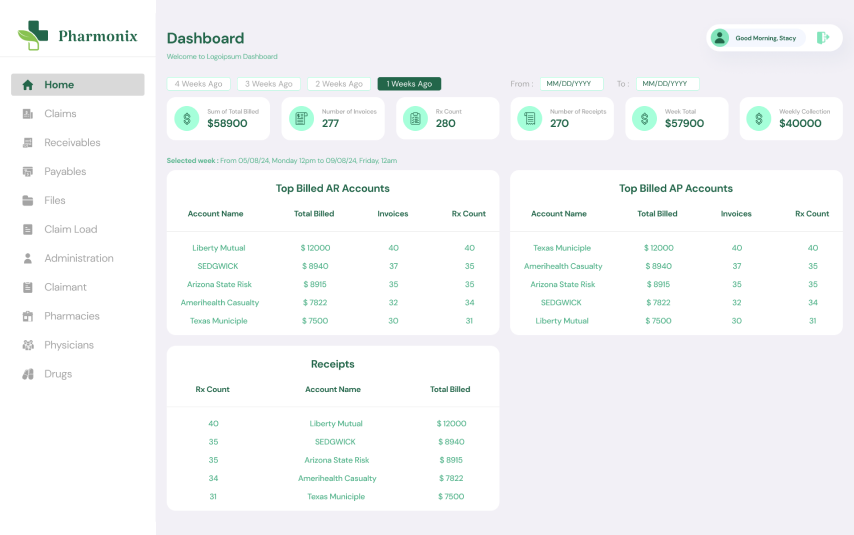
Fragmented Data Systems: Multiple legacy systems led to data silos, making it difficult to access and share critical patient information across departments.
Inefficient Workflows: Manual processes and outdated technology resulted in time-consuming administrative tasks, diverting valuable resources from patient care.
Patient Engagement: Limited digital tools for patient interaction reduced engagement and satisfaction, impacting overall patient experience.
Regulatory Compliance: Keeping up with ever-changing healthcare regulations was challenging, necessitating a robust system to ensure compliance and data security.
We adopted a central EHRs for a hospital to ensure that all people in the various departments had equal access to the record. These integrated solutions also helped in eradicating data isolation, in which improvements in information exchange and decision making occurred.
With the help of automation tools, various paper-based processes were eliminated along with manual data entry processes. This automation thus relieved much time that could be dedicated to paperwork and allowed staff to devote most of their time to their patients.
The patient-centered technical support was established so that the patients got the ability to view their clinical records, book appointments, and interact with practitioners. This improved patient interaction and made them happy.
Incorporating analytics allowed for trends on the patients, operations, and compliance to be delivered in real time. This marked data-driven decision making as well as early detection and management of issues that may arise in the business.
Improved Patient Care: The integrated EHR system enabled healthcare providers to access complete patient histories, leading to more accurate diagnoses and personalized treatment plans.
Enhanced Operational Efficiency: Automation reduced administrative burdens, resulting in a 30% decrease in time spent on paperwork and a 20% increase in staff productivity.
Increased Patient Engagement: The patient portal saw a 40% rise in user engagement, with patients actively managing their health and communication with providers.
Regulatory Compliance: The advanced analytics and reporting system ensured compliance with regulatory requirements, reducing the risk of penalties and enhancing data security.