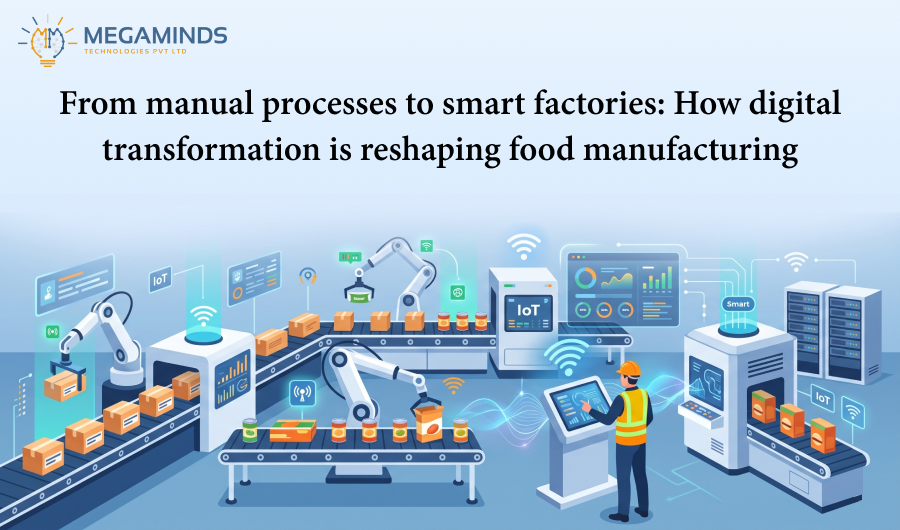
From Manual Processes to Smart...
22 Oct 2026


In the rapidly evolving landscape of healthcare, B2B SaaS (Software as a Service) companies are increasingly turning to artificial intelligence (AI) to enhance their offerings and improve operational efficiency. The integration of AI technologies can lead to significant advancements in patient care, data management, and overall business performance.
Artificial intelligence refers to the simulation of human intelligence in machines programmed to think and learn like humans. In healthcare, AI encompasses a range of technologies, including machine learning, natural language processing, and predictive analytics. These technologies can analyze vast amounts of data, identify patterns, and make informed decisions, ultimately leading to improved patient outcomes and streamlined operations.
Overview: Predictive analytics uses historical data to forecast future outcomes. In healthcare, this can mean predicting patient admissions, readmissions, and potential health risks.
Impact: By leveraging predictive analytics, B2B SaaS companies can help healthcare providers allocate resources more effectively, reduce costs, and improve patient care.
Overview: NLP enables machines to understand and interpret human language. In healthcare, it can be used to analyze clinical notes, patient feedback, and other unstructured data.
Impact: B2B SaaS companies can utilize NLP to extract valuable insights from patient records, improving decision-making and enhancing patient engagement. According to an Accenture research, by automating administrative activities, AI may save the US healthcare sector up to $150 billion a year by 2026.
Overview: AI-powered virtual health assistants can provide patients with immediate responses to their queries, schedule appointments, and offer personalized health advice.
Impact: By integrating AI into telemedicine platforms, B2B SaaS companies can enhance patient experience and accessibility. A survey by Deloitte found that 60% of patients prefer virtual consultations, highlighting the growing demand for AI-driven telehealth solutions.
Overview: CDSS are AI tools that assist healthcare providers in making clinical decisions by analyzing patient data and providing evidence-based recommendations.
Impact: Implementing CDSS can lead to improved diagnostic accuracy and treatment plans. Research by the Journal of the American Medical Association (JAMA) indicates that CDSS can reduce diagnostic errors by up to 30%.
Overview: AI can analyze billing patterns and identify anomalies that may indicate fraudulent activities.
Impact: B2B SaaS companies can help healthcare organizations reduce financial losses due to fraud. The National Health Care Anti-Fraud Association estimates that healthcare fraud costs the U.S. economy approximately $68 billion annually.
AI automates routine tasks, allowing healthcare professionals to focus on patient care rather than administrative burdens. This leads to increased productivity and reduced operational costs.
By leveraging AI technologies, healthcare providers can deliver personalized care, leading to better patient satisfaction and health outcomes. For example, AI-driven treatment plans can result in a 15% improvement in patient adherence to prescribed therapies.
AI enables B2B SaaS companies to analyze vast amounts of data quickly, providing actionable insights that inform strategic decisions. This data-driven approach can lead to more effective business strategies and improved service offerings.
AI solutions can easily scale with the growth of a healthcare organization. As patient volumes increase, AI can handle larger datasets without compromising performance, ensuring that B2B SaaS companies can meet evolving demands.
By adopting AI technologies, B2B SaaS healthcare companies can differentiate themselves in a crowded market. Offering innovative solutions powered by AI can attract new clients and retain existing ones.
Before implementing AI solutions, B2B SaaS companies should define clear objectives and outcomes they wish to achieve. This could include reducing costs, improving patient engagement, or enhancing data accuracy.
AI algorithms rely on high-quality data to function effectively. B2B SaaS companies should invest in data collection, cleaning, and management processes to ensure that the data used for AI training is accurate and relevant.
Engaging healthcare professionals in the development and implementation of AI solutions is crucial. Their insights can help tailor AI tools to meet the specific needs of healthcare providers and patients.
The success of AI solutions depends on user adoption. B2B SaaS companies should prioritize user-friendly interfaces and provide training to ensure that healthcare professionals can effectively utilize AI tools.
Continuous monitoring and evaluation of AI solutions are essential to assess their effectiveness. B2B SaaS companies should establish key performance indicators (KPIs) to measure the impact of AI on their operations and make necessary adjustments.
The potential of AI for B2B SaaS healthcare companies is immense, offering opportunities to enhance efficiency, improve patient outcomes, and drive innovation. By leveraging AI technologies such as predictive analytics, natural language processing, and clinical decision support systems, these companies can transform the healthcare landscape. However, successful implementation requires a strategic approach, focusing on clear objectives, quality data, and collaboration with healthcare professionals. As the healthcare industry continues to evolve, embracing AI will be crucial for B2B SaaS companies looking to thrive in a competitive market.
19 Oct 2026
15 Oct 2026