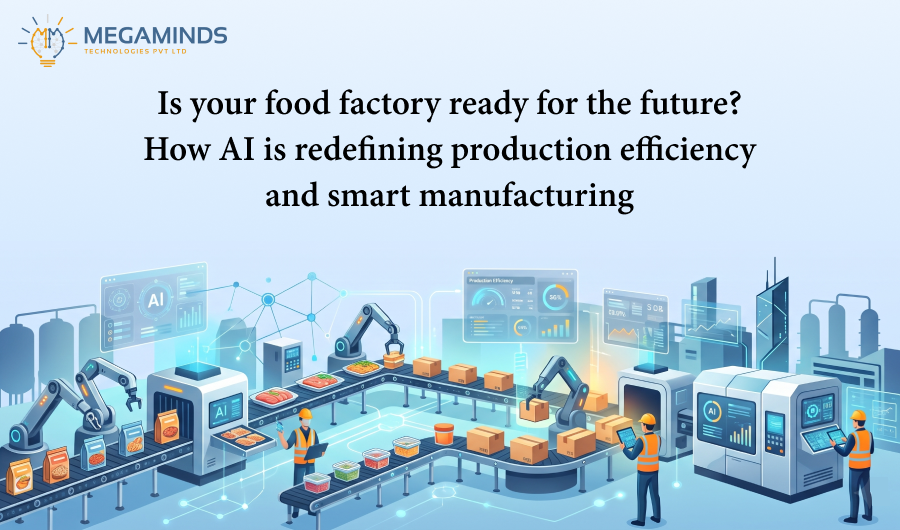
What If Your Factory Could...
16 Nov 2026

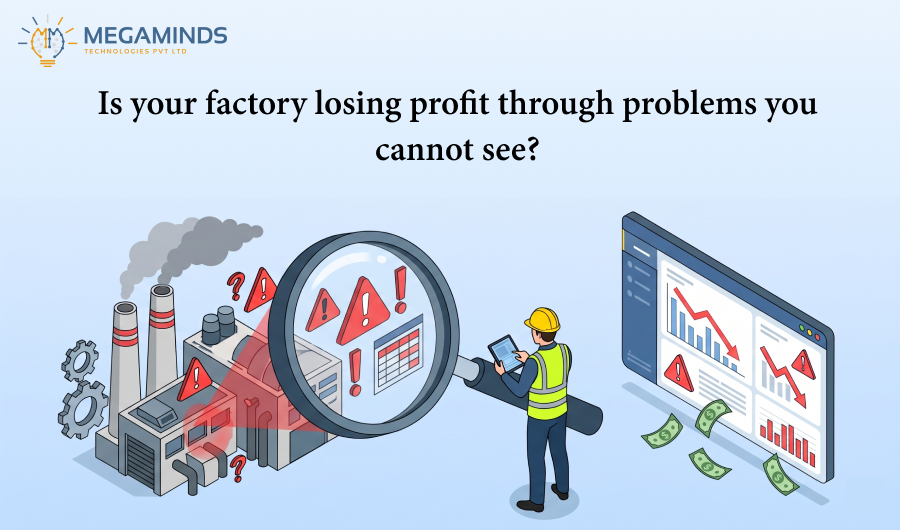
Hidden manufacturing inefficiencies reduce profits through unexpected downtime, material waste, low productivity, and rising operational costs. Without proper monitoring, these problems remain unnoticed, gradually affecting production performance and profit margins. AI-powered monitoring and real-time analytics help manufacturers identify hidden losses, improve efficiency, and make smarter business decisions.
Manufacturing losses often remain hidden in daily operations. Equipment failures, material waste, and inefficient workflows can gradually increase production expenses and reduce profitability.
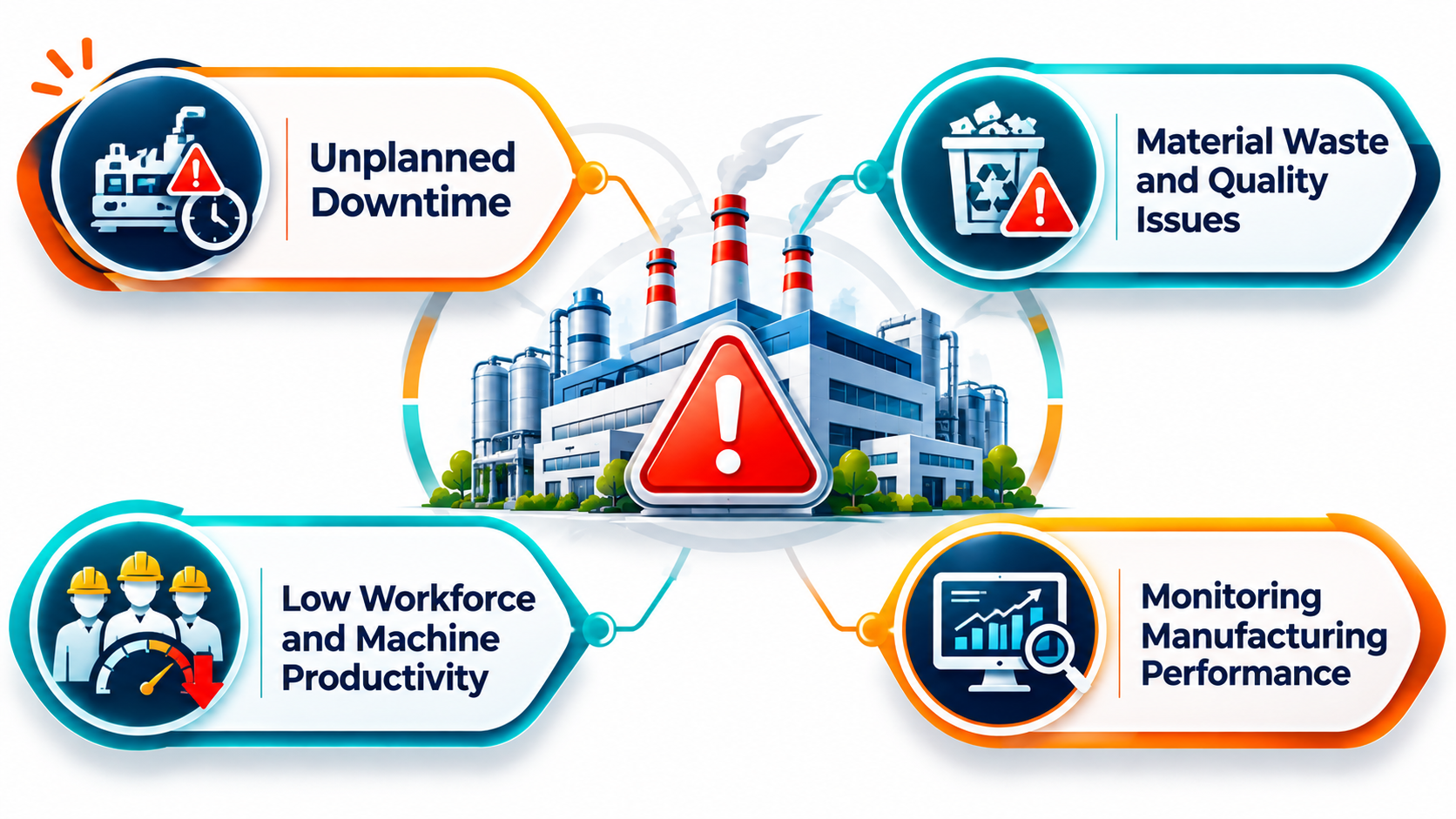
A 2025 L2L industry study found that manufacturing facilities experience an average of 30 hours of downtime per month, highlighting the importance of identifying production inefficiencies early.
Tracking these performance indicators helps businesses identify hidden losses, reduce unnecessary expenses, and improve overall production efficiency.
Modern factories use different systems, including ERP, MES, inventory management, and quality management software. When these systems operate separately, important production data becomes scattered across departments, limiting operational visibility.
For example, production teams may track machine performance separately from inventory and maintenance records. This creates communication gaps, delays decisions, and increases manual reporting.
Disconnected systems can also cause inventory mismatches, production delays, and poor coordination. According to NIST, manufacturing data interoperability helps connect information across systems and supports better operational decision-making.
By integrating machines, applications, and business systems, manufacturers can create a centralized environment, improve coordination, reduce operational inefficiencies, and make faster, data-driven decisions.
Production visibility helps manufacturers understand what is happening across their operations. Without accurate and timely information, even experienced managers can make decisions based on incomplete reports, assumptions, or outdated production figures.
Consider a manufacturing facility experiencing declining production output. Without real-time monitoring, management may assume that additional workers or machinery are required.
However, the actual problem could be frequent minor machine stoppages, inefficient production scheduling, or delays in material availability.
Investing in additional resources without identifying the root cause can increase expenses without improving productivity.
Poor production visibility commonly affects business decisions in several ways:
Manufacturers need centralized dashboards that provide important operational information, including production output, machine availability, equipment performance, quality metrics, and order progress.
Better visibility allows management to identify problems earlier, allocate resources effectively, and make decisions based on actual production performance.
Unexpected equipment failures can increase maintenance costs, interrupt production, and delay customer orders. Traditional maintenance methods often rely on fixed schedules or repairing machines after breakdowns, which can lead to unnecessary expenses and production losses.
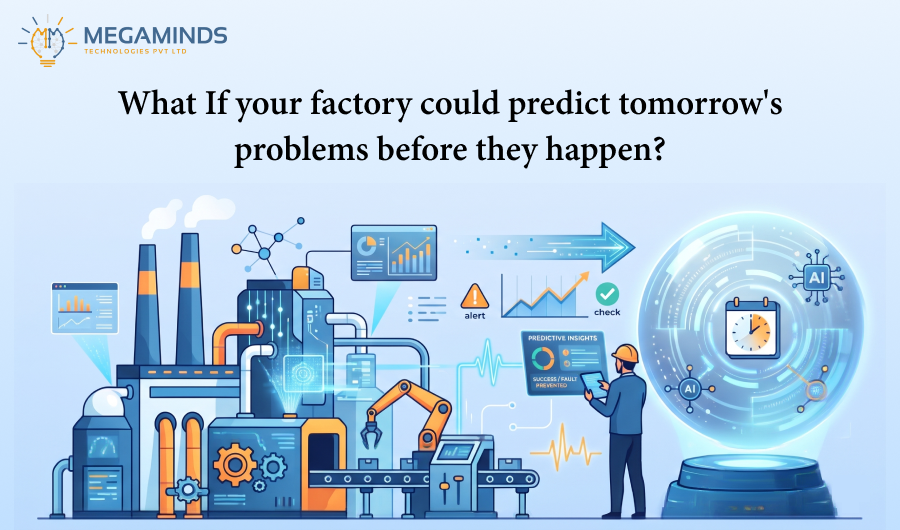
Predictive maintenance offers a smarter solution. It uses AI, IoT sensors, and machine learning to monitor equipment conditions and identify potential failures before they cause major disruptions.
These technologies continuously track temperature, vibration, pressure, energy consumption, and machine performance. AI analyzes this data to detect unusual patterns and alert maintenance teams when equipment requires attention.
According to the U.S. Department of Energy, predictive maintenance can reduce maintenance costs by 25–30% and downtime by 35–45%, based on reported industrial averages.
By identifying equipment problems early, manufacturers can prevent unexpected breakdowns, extend machine lifespan, reduce repair expenses, and maintain consistent production.
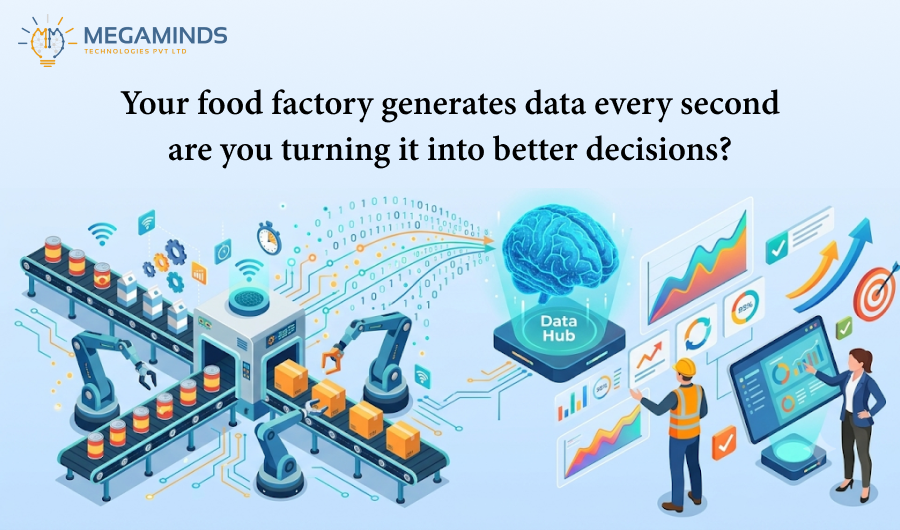
Real-time data analytics allows manufacturers to monitor factory operations, identify hidden inefficiencies, and improve production performance. By analyzing live production data, businesses can detect problems early, reduce unnecessary expenses, and make informed operational decisions.
Building a smarter factory requires connected technologies that improve production visibility, reduce inefficiencies, and support better business decisions.
Artificial Intelligence (AI) helps predict equipment failures and optimize production, while IoT sensors collect real-time machine performance data. Cloud computing provides centralized data access, and custom software integration connects ERP, MES, inventory, and maintenance systems.
Successful implementation starts with identifying operational challenges, selecting suitable technologies, and connecting existing systems. By combining these solutions, manufacturers can reduce costs, improve productivity, streamline operations, and build a smarter, more competitive factory.
Hidden manufacturing inefficiencies can silently impact profitability through unexpected downtime, material waste, poor productivity, and disconnected systems. Identifying these challenges early helps manufacturers reduce unnecessary expenses and improve operational performance.
By adopting AI, IoT, predictive maintenance, and real-time data analytics, businesses can gain better production visibility, prevent costly disruptions, and make smarter decisions.
A more profitable factory starts with better visibility and smarter operations. Discover how intelligent software solutions can help transform manufacturing challenges into opportunities for improved efficiency, sustainable growth, and long-term business success.
16 Nov 2026
09 Nov 2026