Your Food Factory Generates Data...
09 Nov 2026

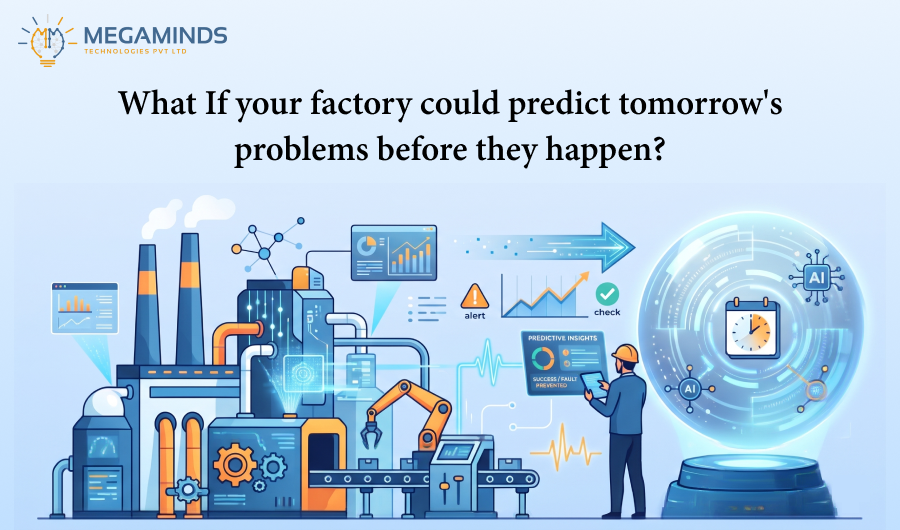
Manufacturers can predict equipment failures using AI, machine learning, IoT sensors, and real-time monitoring. These technologies analyze machine data, including temperature, vibration, pressure, and energy consumption, to identify unusual patterns and detect potential problems early. This allows maintenance teams to take preventive action, reduce unexpected downtime, and maintain smooth production operations.
The stakes are high. A 2025 Fluke Corporation survey of 600 manufacturers in the US, UK, and Germany found that 61% had suffered unplanned downtime in the past year, costing the sector up to $852 million every week.
Unplanned downtime is one of the most expensive problems in manufacturing. Siemens’ The True Cost of Downtime 2024 report estimates that the world’s 500 largest companies lose almost $1.4 trillion a year to unplanned downtime, equal to 11% of their revenues. In automotive plants, a single hour of unplanned downtime costs about $2.3 million. In Fluke’s 2025 survey, individual incidents could cost up to $42.6 million, with an average cost of about $1.7 million per hour.
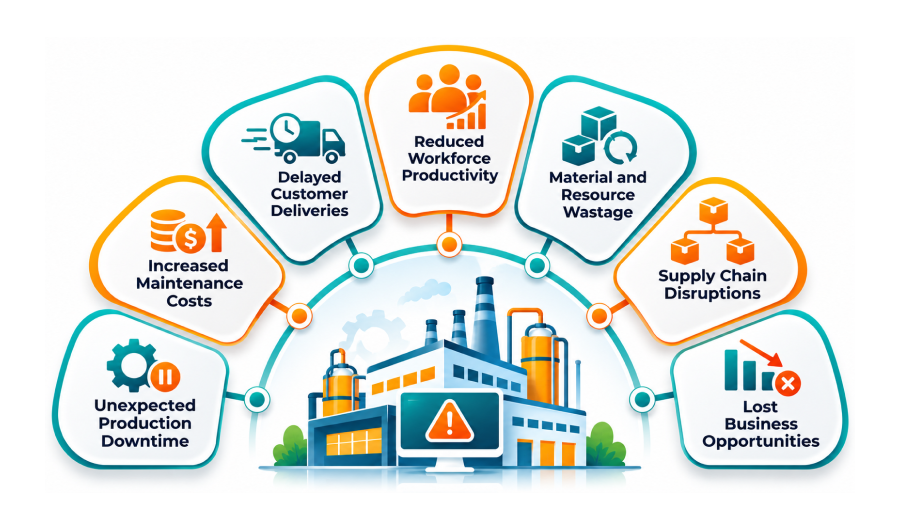
Traditional maintenance strategies often rely on repairing equipment after a breakdown or performing inspections at fixed intervals. While these approaches help maintain machinery, they cannot always identify developing problems before they affect production.
Reactive maintenance addresses equipment failures only after they occur, often resulting in unexpected downtime, emergency repairs, and increased operational costs. Preventive maintenance follows scheduled inspections and servicing, but it may lead to unnecessary maintenance or fail to detect problems that develop between scheduled checks. The gap is still wide: in the MaintainX 2025 survey, 38% of organizations still include reactive (run-to-failure) maintenance in their approach, while only 27% use predictive maintenance.
Predictive maintenance offers a smarter alternative by using AI, machine learning, IoT sensors, and real-time equipment data to monitor machine conditions and identify early warning signs. This allows maintenance teams to detect potential failures and schedule repairs before serious disruptions occur.
By moving from reactive to predictive maintenance, manufacturers can reduce unexpected breakdowns, improve equipment reliability, optimize maintenance spending, and maintain more consistent production operations.
Artificial intelligence (AI) and machine learning (ML) help manufacturers identify potential equipment failures by analyzing historical and real-time machine data. These technologies recognize unusual patterns, detect performance changes, and provide early warnings before minor issues turn into major breakdowns.
AI-powered predictive maintenance supports manufacturers in several ways:
By combining AI and machine learning, manufacturers can make smarter maintenance decisions, improve equipment reliability, and reduce unexpected production interruptions.
Predictive manufacturing relies on accurate, continuous data to monitor equipment performance. The Industrial Internet of Things (IIoT) connects factory machines to digital monitoring systems, helping manufacturers track machine conditions and identify potential problems early.
IoT sensors collect real-time information such as temperature, vibration, pressure, sound, and energy consumption. This data helps detect overheating, mechanical imbalance, unusual pressure changes, and other signs of equipment problems.
The collected information is transferred to edge computing systems or cloud platforms, where analytics tools process the data and generate actionable insights. Maintenance teams can receive alerts when machine performance shows unusual changes.
For example, in a food manufacturing facility, IoT sensors can monitor refrigeration equipment. If a compressor shows unusual vibration or temperature changes, the system can alert technicians before the issue affects production or temperature control.
Real-time IoT monitoring helps manufacturers improve equipment visibility, identify potential failures early, reduce unexpected downtime, and maintain smoother production operations.
Predictive analytics helps manufacturers use historical and real-time machine data to identify potential problems, improve maintenance planning, and make smarter operational decisions. It offers several important business benefits:
According to Deloitte research, predictive maintenance can potentially improve equipment uptime by 10–20% and reduce overall maintenance costs by 5–10%. Actual results depend on implementation and operating conditions.
By using predictive analytics, manufacturers can control operational costs, improve productivity, and make more informed business decisions.
Building a predictive manufacturing system requires connected technologies that help manufacturers monitor equipment, analyze operational data, and identify potential problems early.
IoT sensors collect real-time machine data, while AI and machine learning analyze this information to predict equipment failures and detect unusual patterns.
Cloud computing provides centralized data storage and processing, while custom software integration connects manufacturing systems, ERP platforms, and production management tools.
Real-time dashboards bring equipment health, maintenance schedules, and production performance together, helping managers make faster and smarter decisions.
The market reflects this shift. Fortune Business Insights values the global predictive maintenance market at $13.65 billion in 2025, growing to $17.11 billion in 2026 and a projected $97.37 billion by 2034 (a 24.3% CAGR). Forecasts vary between research firms, but all point to rapid growth.
By combining these technologies, manufacturers can reduce downtime, improve equipment reliability, and build smarter factory operations.
Unexpected equipment failures and production disruptions don’t have to be part of everyday manufacturing. With AI, IoT, predictive maintenance, and advanced analytics, manufacturers can identify potential problems early, reduce downtime, and control operational costs.
By adopting connected technologies and intelligent software solutions, businesses can improve equipment reliability, increase productivity, and make smarter decisions.
The future of manufacturing is not just about fixing problems faster; it’s about predicting them before they happen.

09 Nov 2026
26 Oct 2026