Why Today’s Customers Expect Insurance...
12 Oct 2026

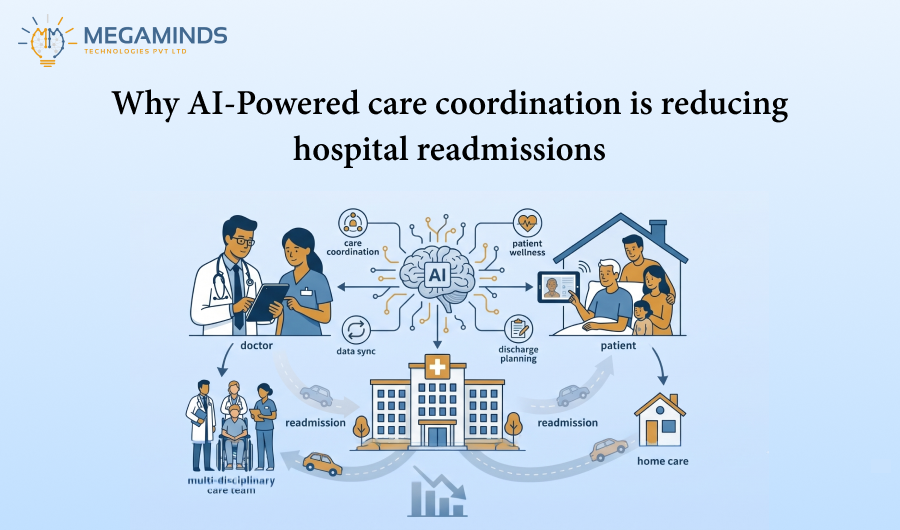
Healthcare AI analyzes and interprets large and often disparate sets of patient data to help healthcare professionals optimally manage patient health, including anticipatory actions to circumvent adverse events. Healthcare AI systems review hundreds of thousands of pieces of data to determine patients at risk of unplanned hospital readmissions.
Certain AI systems can review data and identify patients at risk of adverse events, for example, patient no-shows, change in a patient’s condition or health status, change in a patient’s treatment or discharge from a hospital.
The primary objective of AI in healthcare is to provide healthcare workers, in real-time, the most pertinent information regarding a patient, and to enable the healthcare worker to interact with the patient in a timely manner.
A patient might feel better after being discharged, but recovery continues. Gaps in follow-ups, missed doses, and communication issues can result in another stay in the hospital.
The Hospital Readmissions Reduction Program by CMS in 2026 continues to collect data on heart failure, COPD, and pneumonia readmissions. Hospitals with high readmissions will receive drops of up to 3% in their Medicare payments.
CMS – Hospital Readmissions Reduction Program AI helps to fill those gaps by connecting data on patients and anticipating risks, as well as prompting follow-up visits. This helps health services to shift from providing care that is merely responsive, to care that is proactive.
Healthcare teams already have a lot of data on their patients, but the main issue is the time it takes to connect and transform that data into actionable insights. AI helps bring traditionally siloed data into a framework that healthcare teams can action faster and in a more intelligent manner.
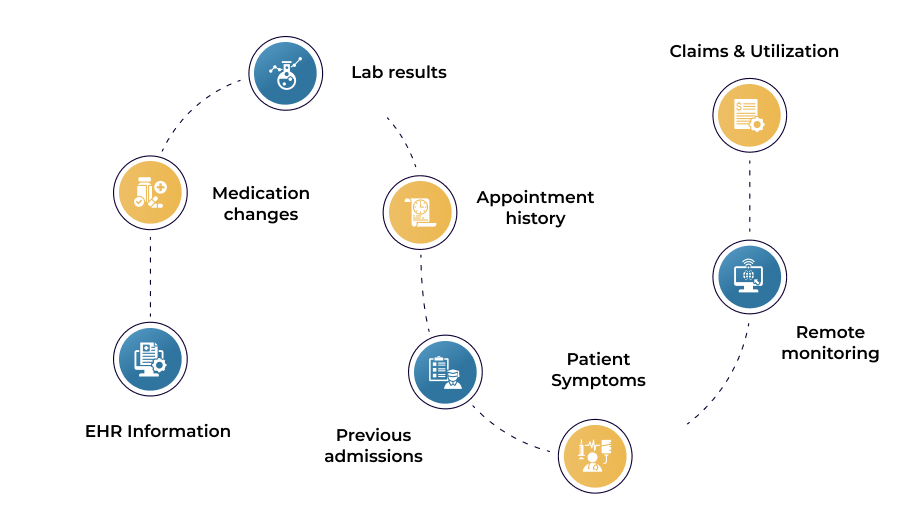
ONC reported that 76% of U.S. hospitals engaged in all four major interoperability activities in In 2025, ONC reported that 76% of the U.S. hospitals were engaged in electronic information exchange during each of the four major interoperability activities. ONC also reported improvements in connected healthcare information.
AI can locate risks and changes, and direct information to the best care team.
The end result is a better patient care experience. There is less searching for data, and care coordination is faster and more efficient.
Leaving the hospital is just the first step of the recovery process. AI could support healthcare staff in staying in touch with patients during the most critical and vulnerable time of recovery.
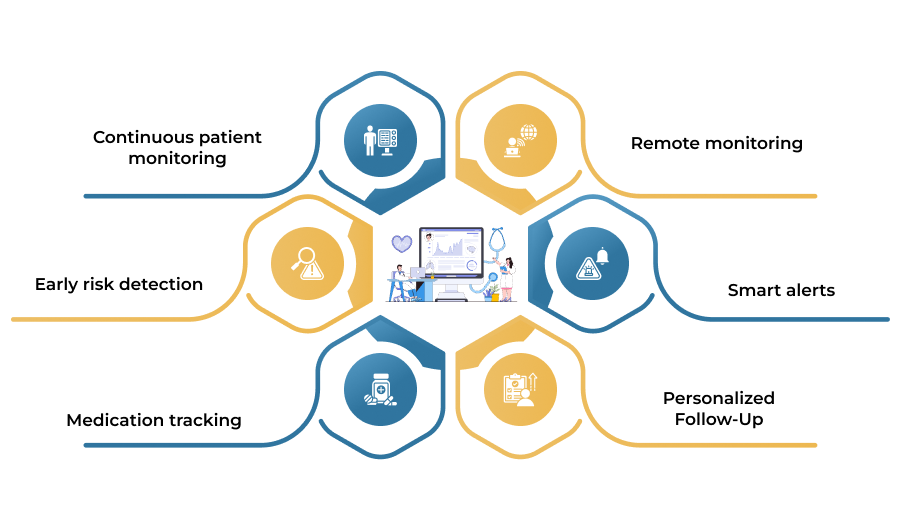
Clinical teams must remain in control over patient care. AI should strengthen the way clinical teams work, not automate their work with human oversight. Alerts must be reviewed, clinical decisions should be made, and communication should be performed where needed to provide care.The opportunity gap exists for technology companies that begin to design solutions with prediction, monitoring, workflow, and human action in mind–not just another dashboard.The objective is straightforward: to detect and respond to anomalies along the patient care pathway post-discharge more effectively and efficiently to keep patients on their therapeutic journey.
Transitioning to the next phase of care can be challenging for patients. There are gaps in care when a patient is discharged to another location, such as home, rehabilitation, or primary care.
AI has the potential to help overcome these challenges by assisting care teams in managing unaddressed tasks by tracking medications, medical concerns, and following up on the patient. AI can even help recommend when care managers should reach out to patients following discharge.
Transitional care in 2026 is starting to use AI to assist providers with discharge planning and follow up care, addressing gaps in care through interoperability, and helping to navigate patients among disparate healthcare systems. 2026 AI Transitional Care Review
The aim is to get care teams to think of discharge not as the end of the relationship with their patient, but as the start of a journey of ongoing, seamlessly integrated care.
AI can make care coordination smarter, but it isn’t a plug-and-play solution. Healthcare organizations need the right data, systems, workflows, and safeguards to make it work effectively.
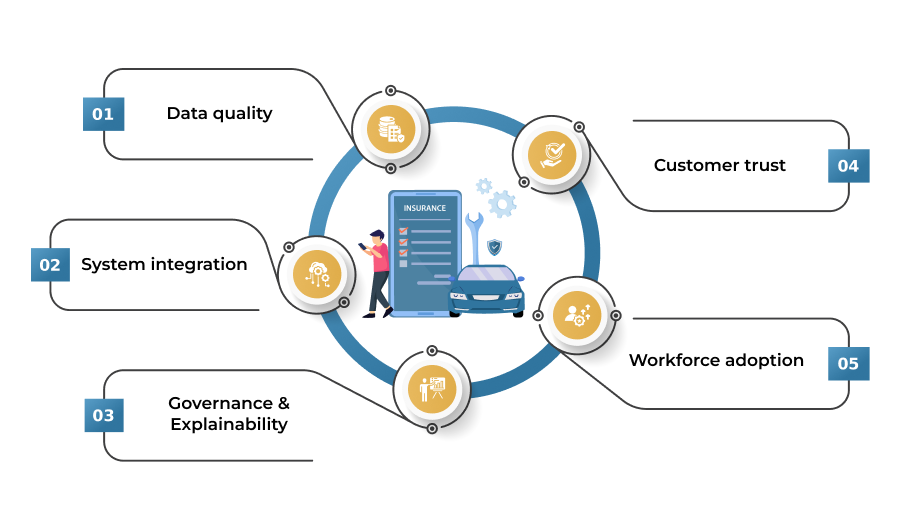
When incorporating AI into different areas of healthcare, focus should be on designing a integrated and secure system that allows staff to proactally and effectively engage with patients.
AI-powered care coordination helps make healthcare faster, smarter, and more connected, creating benefits for both patients and care teams.
For patients, AI can support clearer discharge instructions, timely follow-ups, continuous monitoring, and earlier detection of potential health concerns.
For providers, AI reduces manual data review and helps teams quickly identify patients who need attention, allowing them to spend more time on meaningful patient care.
For hospital leaders, better coordination can improve workflows, support readmission reduction, and help teams use limited clinical resources more effectively.
For healthcare technology companies, AI opens opportunities to build solutions around predictive analytics, remote monitoring, patient engagement, interoperability, and workflow automation.
The bigger benefit is simple: better-connected teams can deliver better-connected care
Healthcare is moving from reactive treatment to proactive, AI-powered care management. Instead of waiting for complications, AI can help teams identify risks earlier and respond faster.
The shift is already visible. According to ONC, 71% of U.S. hospitals used predictive AI integrated into EHRs in 2024, up from 66% in 2023. (healthit.gov)
Future care platforms can combine predictive analytics, remote monitoring, EHR data, and workflow automation to create more personalized patient journeys.
AI can also support smarter follow-ups, prioritize high-risk patients, track recovery, and automate routine coordination tasks while clinicians remain responsible for important decisions.
The goal is simple: predict earlier, coordinate smarter, and keep patients connected throughout their care journey.
Using AI for care coordination enables organizations to structure their workflows to recognize patient risks, and provide support and care beyond the conventional setting.
Ultimately, AI turns fragmented patient information into coordinated action—helping healthcare teams deliver better care at the right time.
Readmissions to hospitals occur as a result of a variety of issues related to the coordination of a patient’s care after they are discharged. Common issues such as missed follow up appointments, and break downs in communication can lead to issues in the timely and accurate delivery of a patient’s medications. Care teams often have limited tools to prepare for these risks, and as a result are often disadvantaged in their efforts to facilitate seamless care for their patients.
One potential solution to this problem is the increased use of artificial intelligence (AI) within healthcare. AI can help care teams to identify breakdowns in care. This is especially useful for providing care and support to patients outside of the hospital. This technology can help care teams to prepare for the delivery of care beyond the walls of the hospital.
The future of healthcare will focus on the prevention of adverse events for patients, as opposed to simply reacting to events once they occur. This will require a shift in how the healthcare system views risk. Healthcare will need to shift its efforts toward greater integration and the delivery of seamless care.
12 Oct 2026

08 Oct 2026
05 Oct 2026