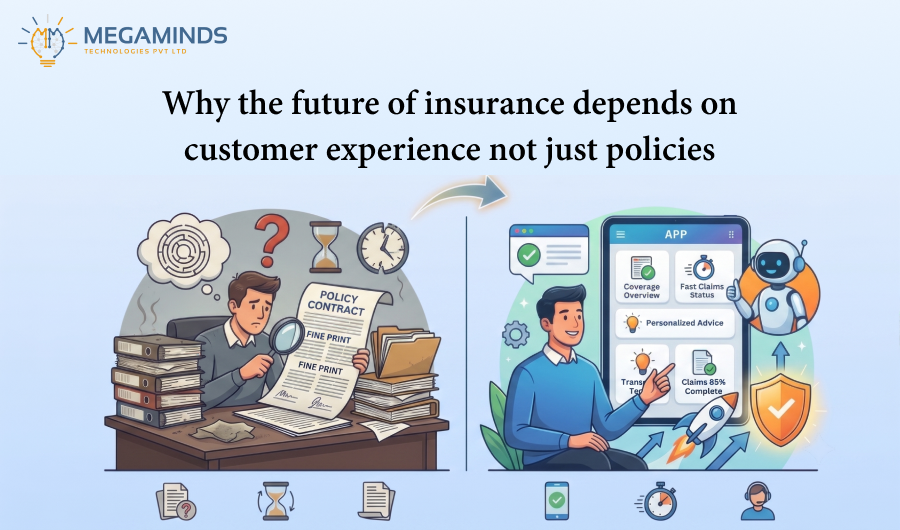
For hundreds of years, the insurance industry was based on a model of generalization. Risk was calculated with limited tools: age, gender, income, and a handful of statistical filters based on demographic groups. Everyone in each segment was treated the same, more or less. By 2025, the old way of doing business, just like many outdated practices from past decades, will no longer be effective.
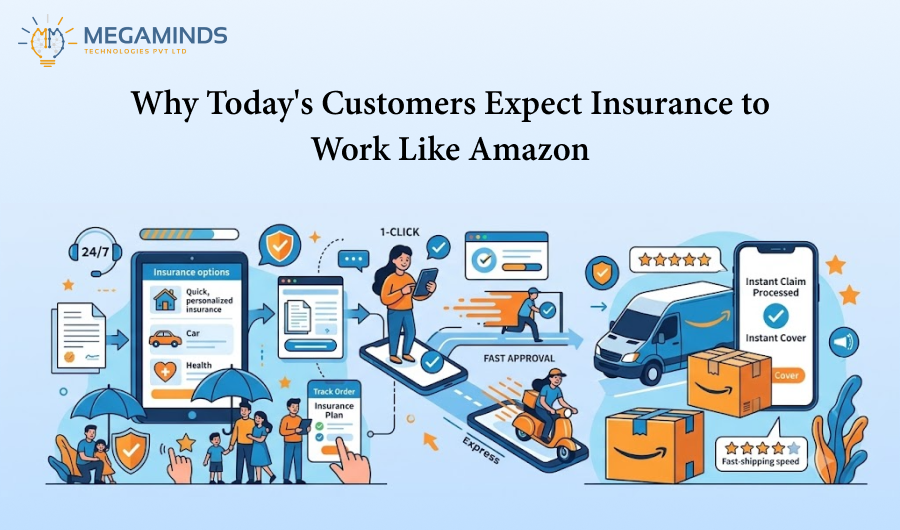
Consumers in both categories, individuals and organizations, desire an increased quantity of services. Insurers are required to perform thorough and detailed studies of their clients. Customers expect insurers to treat them personally in the same way as Netflix, Amazon, or Spotify do. Customers expect to be treated fairly, to have clear business operations, and to receive the feeling that the company is familiar with them, aids them, and is ready to follow the changes in their lives.
This desire for insurance has catalyzed a customer-first revolution in the insurance space; Big Data and Customer Insights are the fuel. They permit insurers to forecast, personalize, and pivot away from “standardized policies” to flexible coverage that incorporates the reality of true risk, behavior, and context.
For insurance businesses, this is more than a trend; it is an income opportunity, a way to build trust, and a strategy for survival in a segment that is becoming increasingly customer-first. According to Bain & Co, companies that deliver personalized customer experiences drive revenue lift of 10 – 15% and drive cost reductions as much as 20%.
In this article, we will discuss how big data is transforming insurance, responsible use of data, predictive analysis, benefits to customers, compliance issues, and models of usage-based insurance. What is most important is that we will discuss the strategic implications for businesses wanting to get ahead of the future of personalized insurance.
In the insurance industry, big data refers to the capturing, storage, and analysis of large and varied datasets from many sources in real-time or near real-time. Big data is significantly distinct from traditional data approaches in that, while traditional data approaches are limited to a few variables like age, gender, or prior claims, big data includes:
Telematics information gathered from connected vehicles observes driving behaviors.
Health and wellness information from wearable devices and mobile applications.
Smart home sensor information observes risks around the home, such as fire and water damage.
Insurers use public records, social media activity, and online behavior to create accurate risk profiles.
Insurers analyze financial transaction data to evaluate creditworthiness and understand customer spending patterns.
The volume, diversity, and speed of this data make sophisticated analytics tools necessary for reducing it to actionable insights.
Why Big Data Matters for Insurance Businesses
The insurance industry is traditionally data-driven; however, the arrival of big data greatly increases the potential impact exponentially:
Improved Risk Evaluation and Pricing: By leveraging comprehensive behavioral data, insurers can surpass static demographic classifications. The outcome is a pricing model that closely links to real risk exposures, resulting in reduced underwriting losses.
Fraud Detection and Prevention: In order to uncover odd patterns in dubious fraud claims, sophisticated machine learning algorithms examine large datasets. This ultimately prevents billions of needless losses from being paid out.
Optimized Operational Efficiency: Workflows are sped up, the chance of human error is decreased, and operating expenses are decreased with automated and data-driven underwriting and claims processing procedures.
Market Differentiation and Customer Acquisition: The use of big data by insurers can help them design new products with attractive usage-based or on-demand insurance features. Such products attract the young different kind of risk, who want flexibility and value the modernization rather than the traditional insurance approaches.
According to McKinsey, big data and analytics could provide more than $1 trillion in annual value creation for the insurance sector and fundamentally disrupt the profitability and strategic direction.
Collecting and Analyzing Customer Data Responsibly
Sources of Customer Data in Modern Insurance
Cohesive and diverse customer data is the foundation of personalized insurance policies:
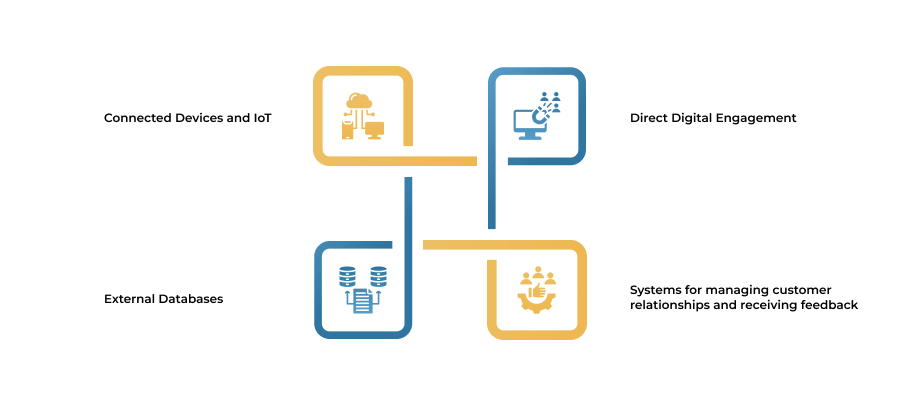
Connected Devices and IoT: Cars equipped with telematics record data on mileage, speed, braking habits, and crashes. Wearables track physical activity, heart rate, and sleep quality. Smart home devices send alerts for fires, water leaks, and intrusions. Together, these connected devices provide valuable insights for insurers.
Direct Digital Engagement: Websites, mobile apps, and customer portals generate valuable behavioral data. This includes product searches, quote requests, and post-purchase activities. Insurers use these insights to understand customer preferences and improve services.
External Databases: Credit bureaus, government records, motor vehicle records, and social media provide additional information. These sources help insurers assess risk, verify customer data, and improve underwriting accuracy.
Systems for managing customer relationships and receiving feedback: Customer relationship management (CRM) systems collect data from call center recordings, emails, and survey responses. They also use sentiment analysis to complete customer profiles and improve customer engagement.
Best Practices for Responsible Data Use
Along with the data boom, the data has to be handled with due responsibility. If you are not handling the data securely and ethically, you may run the risk of legal actions, getting regulatory fines, and losing the trust in your brand due to damage that may not be reversed. The insurance companies need to implement the following best practices for ethical collection and usage of customer data:
Transparency: Clients need to know exactly the kind of data that is being collected, the purpose of the data, and the people who will have access to it.
Consent Gathering: Solid opt-in mechanisms make sure that data is shared voluntarily and that users have ownership over their personal data.
Compliance with Global Regulations: Our priority is to comply with GDPR in Europe, HIPAA for health data, CCPA in California, and other privacy laws that are changing rapidly in various locations around the globe. >Security and Privacy of Data: Tokenization, anonymization, encryption, and access control keep private data safe from illegal use and online threats.
Justification of AI and Analytics: The vigilance of both consumers and regulators about biases in predictive models that decide not to discriminate against protected groups of protection intensifies substantially.
The companies that employ these measures do not only avoid expensive compliance situations but also instil a culture of trust, which encourages customers to provide more detailed data, thereby resulting in a virtuous cycle for personalization.
Customizing Insurance Policies with Behavioral and Predictive Analytics
The shift to big data has meant that the use of historic data as a sole source for underwriting the risk is increasingly becoming less relevant. Moreover, insurers are using behavioral and predictive analytics to deliver a policy that not only reflects the customer’s nature but also helps them to be up-to-date with their changing lifestyle and risk signals. Initiating the transition from a reactive insurance model to a proactive one is a smart business move that is quite essential for insurers who aim to retain their market position and profitability.
The Power of Behavioral Data
Behavioral data captures observable behaviors and routines that are impacted, directly or indirectly, by risk. Some examples include:
Driving behaviors (speed, braking hard, and time of use) are measured via vehicle telematics.
Activity, sleep, and stress are measured via a wearable health device.
Home behaviors (how often the security system engages, maintenance schedule) are based on measurements from smart home sensors.
Insurers can, in fact, act on these behavioral data sets to target customers much more accurately than traditional demographics allow them to in pricing and tailored coverage features based on individual risk profiles.
Predictive Analytics and Machine Learning
Predictive analytics utilizes past and live data to predict outcomes in the future, such as the chance of a crash, health situation, or claim. Machine learning algorithms have even improved upon this, identifying complex behaviors and patterns that humans would be unable to see. In reality, insurers utilize this information to:
Establish dynamic premiums that reward safe or healthful behaviors and take into account changes in individual risk.
Make proactive suggestions for risk management before claims happen, such as safer driving routes or health interventions.
By anticipating claim validity and anticipatorily spotting suspicious patterns, you can improve fraud detection and claims triage.
Business Impact of Personalized Policies
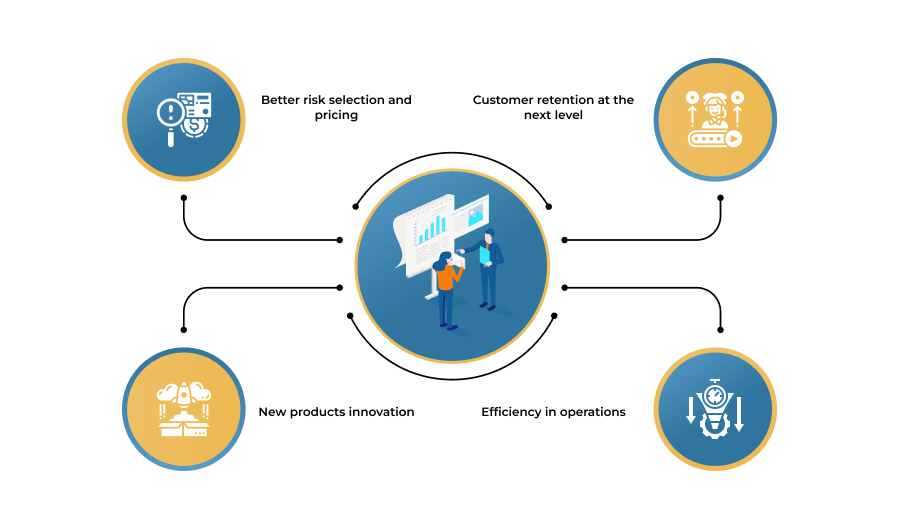
Better Risk Selection and Pricing: Insurers can set more accurate prices by analyzing customer behavior. As a result, they reduce adverse selection, improve underwriting accuracy, and remain competitive.
Customer Retention at The Next Level: Personalized insurance policies improve customer retention by reducing churn and increasing satisfaction. They also create a fairer customer experience by matching coverage to individual needs.
New Products Innovation: Insurers use customer-driven policy customization to develop flexible insurance products. For example, they offer pay-per-mile auto insurance and health plans that reward customers for achieving fitness milestones.
Efficiency in Operations: Predictive analytics automates risk assessment for underwriting and claims processing. As a result, insurers speed up operations, reduce administrative costs, and improve overall efficiency.
Some of the major insurance companies like Progressive and MetLife have leveraged behavior-based plans and telematics successfully which has brought them great results in terms of customer loyalty and profitability.
Benefits to customers include reasonable prices, customized coverage, and quicker claims processing.
Personalization is more than simply a business strategy because it provides tangible benefits that improve customer satisfaction and experience.
Reasonable and Open Pricing
Customers want to feel they are paying “their fair share.” Personalized pricing achieves this by:
Consumers prefer to think they’re paying for their “fair share.” Personalized pricing offers this option through the following:
Delivering prices to individuals based on actual risk factors and behavior rather than the averages of some proxy group.
Promoting rewards, such as premium discounts for safe driving or healthy living, as long as they provide some sort of positive premiums.
Improving transparency with clear examples of how prices are constructed based on their own data.
Coverage Tailored to Individual Needs
Every customer has unique insurance needs. By using informed customer views, insurers can:
Customize policy limits and inclusions to reflect real-time changes in the customer’s lifestyle, like adding coverage for a new driver or setting up a home office.
Offer flexible policies like on-demand insurance for travel or gig work that match periods of coverage to periods of need.
Aggregate complementary policies that are relevant to a customer’s risk profile and offer as a value-added convenience.
Faster and More Efficient Claims
Automation powered by big data expedites claims processing while lowering customer annoyance:
For simple cases, predictive models allow for near real-time approvals by instantly evaluating the validity of claims.
Algorithms for fraud detection spot questionable claims early, increasing payout precision and preserving resources.
Customized customer portals with insights streamline document submission and status tracking, increasing the transparency of communication.
In the insurance industry, this leads to quicker settlements, shorter claims cycles, and higher customer satisfaction—all of which have a big impact on customer loyalty.
Business Benefits of Customer-Centric Personalization
Big data-driven personalized policy adoption by insurers results in: Increased lifetime value per client as a result of improved customer satisfaction and cross-selling:
lower operating expenses as a result of fraud prevention and process automation.
providing creative and adaptable insurance options to gain a competitive edge in crowded markets.
increased brand recognition as a result of consumers feeling appreciated and treated fairly.
These data-driven alliances, in which clients and insurers jointly generate value via customization and trust, are the way of the future for insurance.
Insurers around the world must adhere to a complicated landscape of regulations to protect the privacy of consumer data and to promote ethical practices for the use of:
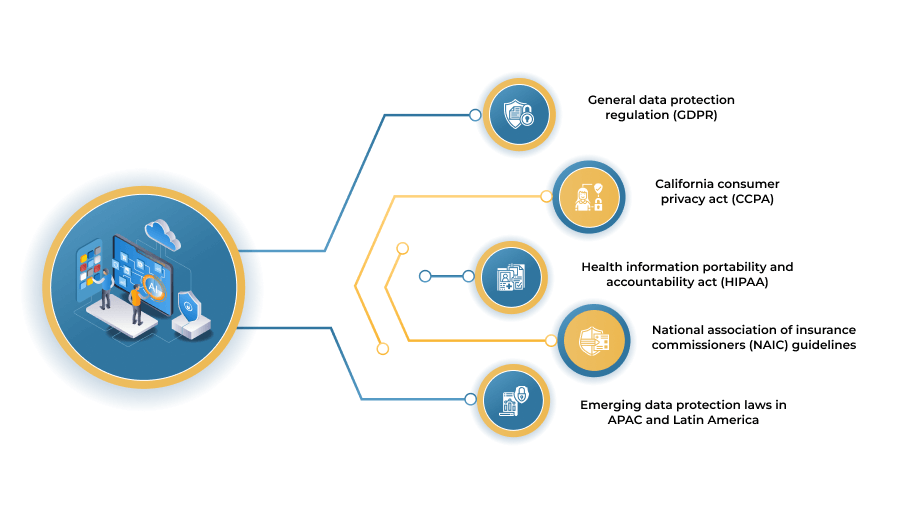
General Data Protection Regulation (GDPR) – Europe: In order for the personal data to be used by insurers, they must first get the consent of the consumers, comply with the principles of data minimization and give respect to the rights of data subjects such as the right of access and the right of correction. The GDPR also sets very brief deadlines for reporting a breach to the affected individuals.
California Consumer Privacy Act (CCPA) USA: The law gives consumers the right to control their personal information. These rights include the right to know, delete, and opt out of any sale or sharing of their personal data, thereby impacting marketing and analytics strategies.
National Association of Insurance Commissioners (NAIC) Guidelines: The NAIC offers detailed guidelines that are specific for the insurers on the use of data and artificial intelligence in the underwriting and claims processes, and, further, ensures that the procedure is fair and transparent.
Emerging Data Protection Laws in APAC and Latin America: The countries in the APAC region and Latin America are upgrading their local data protection laws to be compliant with global standards. Furthermore, Insurance companies that are planning to expand their businesses in these regions not only need to be aware of the laws but also must remain updated with the compliance.
Ethical Implications Beyond Legal Compliance
Firstly, the adherence to regulations alone is definitely not enough to build customer trust or keep up with the ethical standards in AI-based personalization. Besides compliance with the law, insurers should also take up the practice of more comprehensive ethical policies that include:
Fairness and Non-Discrimination: Insurers must ensure their AI models treat every demographic group fairly. Biased models can reduce opportunities related to income and education. Organizations should perform regular bias audits and update their algorithms when needed.
Transparency and Explainability: Insurers should clearly explain how they use customer data for underwriting and pricing decisions. Short, simple explanations build trust and improve transparency. Explainable AI (XAI) and similar technologies help customers understand how AI reaches its decisions.
Data Security Beyond Minimum-Compliance: Organizations should go beyond basic compliance requirements to protect sensitive data. They can implement end-to-end encryption, perform regular vulnerability testing, and adopt zero-trust access controls. These measures reduce data breaches and strengthen recovery efforts.
Client Agency: Insurers should provide easy-to-use privacy tools that give customers greater control over their personal data. They should also offer clear opt-out options. This approach builds trust, reduces customer churn, and strengthens long-term relationships.
Business Advantages of Proactive Compliance and Ethical Practices
Businesses that embed ethics and lawful adherence into their personalization plan are usually able to beat their competitors. One of the reasons for this is that such companies connect more deeply with their customers and, thus, gain:
A higher base of loyalty and customers’ lifetime value
A lower risk of being sued and facing punitive actions by the authorities
Better positioning in the market and a positive brand image
Ease of entering the market with new products that have been approved by the regulators
Responsible AI practices have been openly pledged by insurers such as AXA and Prudential, establishing industry standards and boosting investor confidence.
Innovative Innovation: Usage-Based and On-Demand Insurance
One of such new concepts is usage-based (on-demand) insurance, where cars can be insured only for the exact time the owner is going to drive (while parking no insurance applies). This idea is just a tip of an iceberg of a series of creative models that can use big data to provide customers a groundbreaking flexibility and relevance that has never been so easy to achieve before.
Usage-Based Insurance (UBI)
UBI models base premiums on actual usage or behavior rather than static risk profiles, which are determined by telematics and IoT data. Take, for example:
Auto insurance: Telematics devices or apps are installed by drivers to track driving behaviors like speed, braking, and mileage. Stronger incentives for lowering risk are created by dynamically lowering premiums for safer drivers.
Health Insurance: Programs incentivize policyholders to reach physical activity targets that are validated by apps and wearable technology.
Business Insurance: Helps businesses better manage operational risk by segmenting risk based on real-time driver behavior measurements.
Because UBI more closely aligns pay with risk, it benefits both insurers and consumers. Accenture reports that consumer demand for justice and transparency is fueling the UBI’s annual growth rate of over 40%.
On-Demand Insurance
Customers can instantly activate and pause coverage to correspond with particular times or activities with on-demand insurance, providing unparalleled flexibility. Among the examples are:
Travel insurance: Coverage only kicks in while traveling, preventing needless annual fees.
Gig Economy Insurance: While working, independent contractors and rideshare drivers have the option to switch between liability and auto insurance coverage.
Device Insurance: Clients purchase insurance for their devices according to their travel or usage patterns.
Digital natives and the changing workforce are served by on-demand models. Companies that specialize in these products, such as Trov and Slice Insurance, are able to take advantage of rapidly expanding market niches.
Strategic Business Implications
Customer Acquisition and Growth: To attract younger, tech-savvy customers, employ demand-driven models.
Long-Term Cost Management: Loss ratios are decreased by more accurate risk pricing.
Innovation Leadership: Sets insurers apart as customer-focused and digital-first.
Conclusion
To succeed in the era of customized insurance, one must make use of big data and consumer insights. MegaMinds gives insurers access to state-of-the-art, legal platforms that facilitate dynamic pricing, quick claims processing, and moral data handling. Our solutions accelerate AI-driven claims, lower losses, boost trust through equitable policies, and innovate with usage-based and on-demand products. The future of insurance is about proactive protection and reliable alliances, not just risk transfer. MegaMinds gives insurers the ability to turn consumer data into a sustainable growth strategy and long-term competitive advantage.
Personalized insurance customizes the policies and the prices depending on the individual customer's habits, risk profiles, and data insights for more fair and more relevant coverage.
How does big data influence insurance personalization?
Thanks to big data, insurance companies can collect various types of customer data, which enables them to evaluate the risk more accurately, offer more adaptable pricing, and provide a policy that is tailored to the customer.
What types of customer data are used in personalized insurance?
Such data may be telematics, wearable health devices, smart home sensors, customer relationship management (CRM) interactions, public records, and browsing for a complete risk profile.
How do insurers ensure ethical data usage?
They do it by means of transparency, getting permission, following rules, keeping the data secure, and AI checking for impartiality and fairness.
What is usage-based insurance (UBI)?
UBI is the type of insurance where the client is billed only for the services that he/she actually used or for the behavior that he/she demonstrated; for example, the number of miles driven is how the customer will be charged. Hence, the customer will be getting the fairest price and will be motivated to take up safer habits.
How does predictive analytics improve insurance underwriting?
Predictive analytics scores future risks based on the data in the past and the present, thus, more precise underwriting and rate changeability are enabled.
What benefits do customers get from personalized insurance?
Justified pricing, coverage that matches the individual lifestyle, quicker claims processing, and transparency that creates loyalty among customers.
Quickly scale your development capabilities by hiring pre-vetted tech experts who align perfectly with your project goals, timeline, and company culture.
What to expect after you reach out?
1. Share Your Requirements
Tell us your project goals, tech stack, and resource needs for a perfect talent match.
2. Talent Shortlisting
We screen and shortlist top-tier professionals based on your exact technical and cultural fit.
3. Interview & Selection
You interview the candidates and select the ones that align with your expectations and company values.
4. Onboard & Integrate
Seamless onboarding process to ensure smooth collaboration with your in-house team from day one.
5. Monitor & Scale
We assist with performance tracking and help you scale the team as your project evolves.