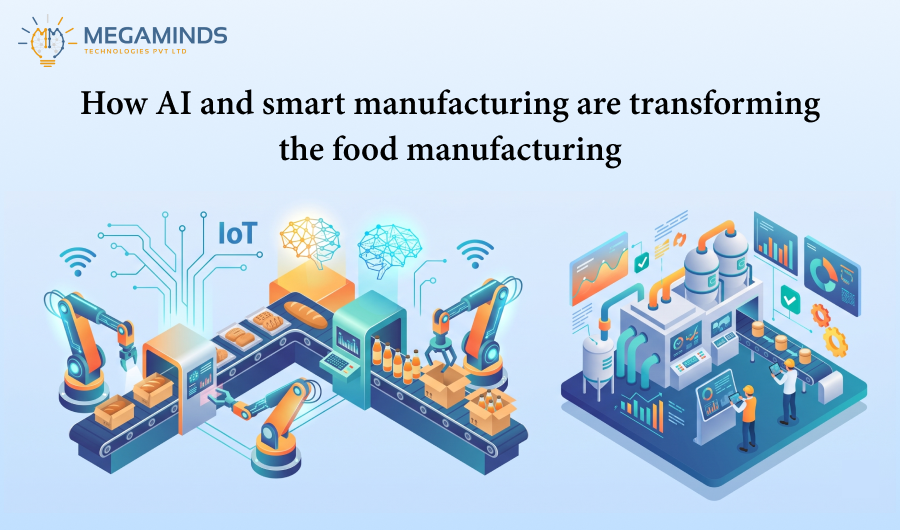
From Manual Processes to Smart...
22 Oct 2026


As we approach the year 2024, it is crucial for insurance companies in the United States to be aware of the upcoming trends and challenges that will shape the industry. In this blog, we will explore the key factors that will impact the insurance landscape and provide insights into how companies can adapt and thrive in the changing market.
The insurance industry has always been driven by data and analytics, and this trend will continue to accelerate in the coming years. With the advent of artificial intelligence (AI), machine learning, and big data analytics, insurance companies will have access to vast amounts of information that can be used to assess risk, personalize policies, and streamline claims processes.
By harnessing the power of these technologies, insurance companies can enhance their underwriting capabilities, improve customer experiences, and reduce fraud. For example, AI-powered chatbots can provide instant customer support, while predictive analytics can help identify potential risks before they occur.
As the digital age progresses, customers are becoming more tech-savvy and demanding personalized experiences. Insurance companies need to adapt to these changing expectations by offering innovative products and services that cater to individual needs.
One way to meet these expectations is through the use of telematics, which allows insurers to track and analyze driving behavior in real-time. By offering usage-based insurance policies, companies can reward safe drivers with lower premiums, thereby incentivizing responsible behavior.
Furthermore, the rise of Insurtech startups is disrupting the traditional insurance model. These startups leverage technology to provide more affordable, convenient, and transparent insurance solutions. To stay competitive, established insurance companies need to embrace digital transformation and collaborate with these startups to create mutually beneficial partnerships.
The insurance industry is heavily regulated, and any changes in regulations can have a significant impact on the way companies operate. As we move towards 2024, insurance companies must stay informed about upcoming regulatory changes and adapt their strategies accordingly.
For instance, climate change is transforming the U.S. insurance industry. Governments are introducing stricter regulations for natural disaster coverage. Consequently, insurers must strengthen their climate risk strategies. Moreover, they should develop innovative insurance products that meet evolving customer needs.
Additionally, the rise of cybersecurity threats poses a significant challenge for insurance companies. With the increasing frequency and sophistication of cyberattacks, regulators are likely to introduce stricter data protection and privacy laws. Insurance companies need to invest in robust cybersecurity measures to protect sensitive customer information and comply with regulatory requirements.
As the world becomes increasingly interconnected, insurance companies must be prepared to address emerging risks that were previously unheard of. Factors such as climate change, pandemics, and cyber threats are becoming more prevalent and can have a substantial impact on the insurance industry.
For example, the increasing frequency and severity of natural disasters due to climate change can lead to higher claims payouts and a greater need for risk assessment and management. Insurance companies need to invest in advanced modeling techniques and predictive analytics to accurately assess and price these risks.
Similarly, the COVID-19 pandemic has highlighted the need for insurance coverage for business interruptions and supply chain disruptions. Companies need to develop innovative solutions that provide coverage for these emerging risks and support their clients during times of crisis.
In the coming years, the U.S. insurance industry will change drastically. AI, data analytics, shifting consumer demands, and regulatory changes are altering the insurance industry. Consumer demands require companies to make changes quickly to maintain their competitiveness in the market. Simultaneously, these challenges create new prospects for more innovative solutions for greater growth and sustainability in the long run.
To compete, the insurance industry must digitally transform, and develop and implement AI-based insurance. Data analytics must be used to refine the assessment of risk, increase detection of fraud, and enhance customer experience. In addition to these, the insurance industry must design and implement a wide range of innovative insurance products to meet their customers’ changing needs and enhance their customers’ loyalty.
The insurance industry, will be using technology, will be highly responsive, and will be customer focused. In this regard, insurance companies that are more responsive to their customers, that have more technologically based insurance products, and that have more predictive analytics based products, will have greater operational efficiencies and will make more informed business decisions. Companies that are more innovative will have less operational risk and will make more profits.
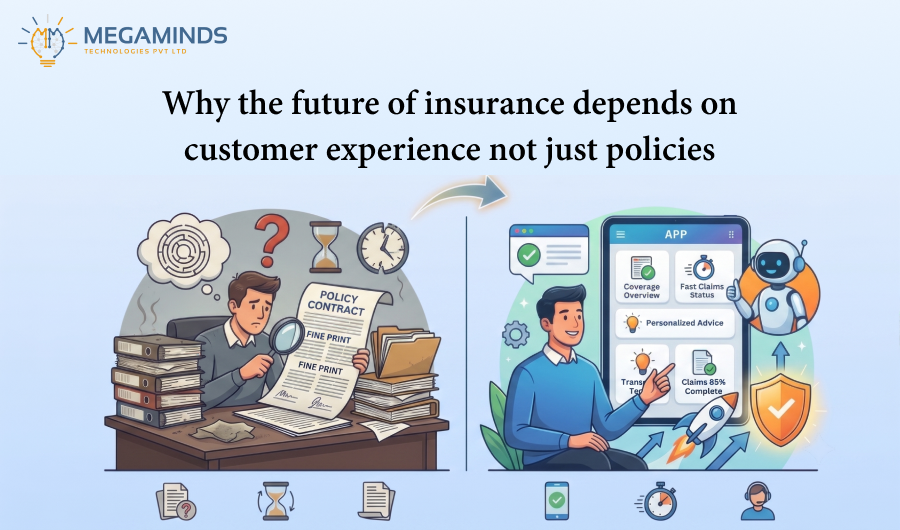
15 Oct 2026
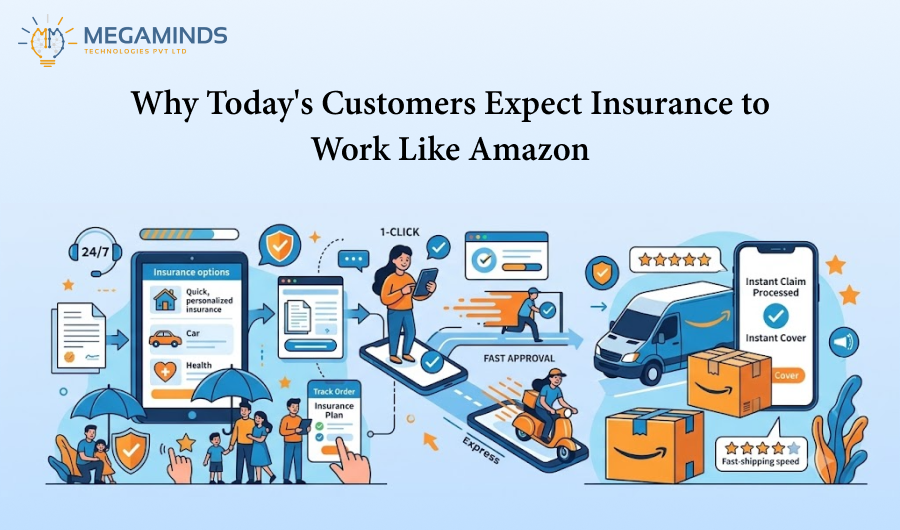
12 Oct 2026
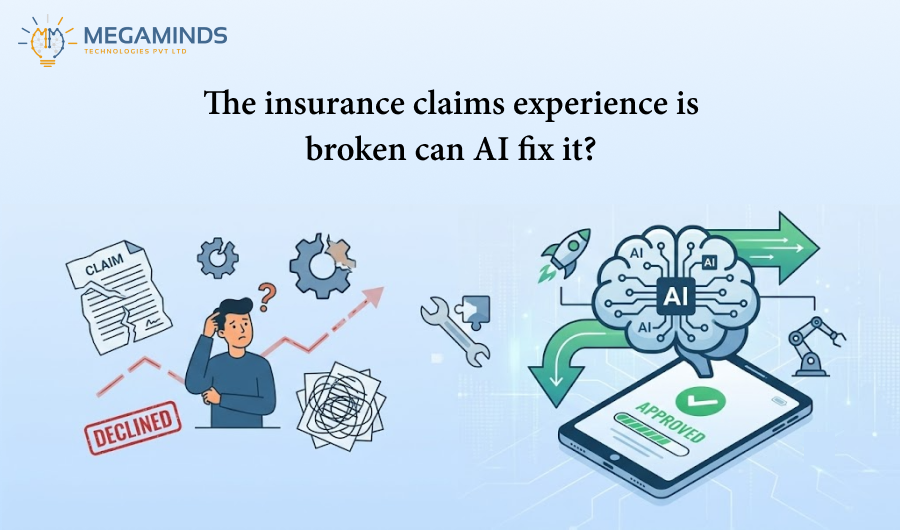
01 Oct 2026