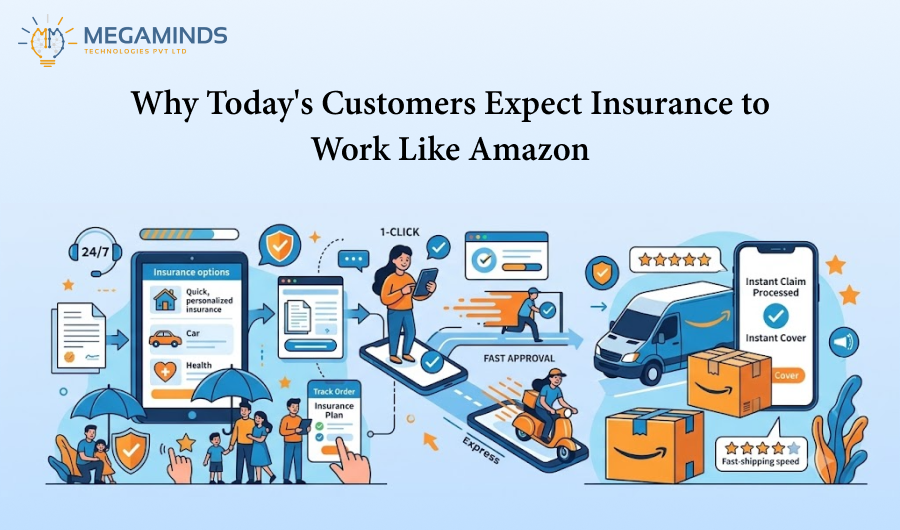
Why Today’s Customers Expect Insurance...
12 Oct 2026


In today’s digital age, data security is a paramount concern for businesses across all industries, particularly in the insurance sector. With the increasing volume of sensitive customer information being processed and stored, insurance companies must adopt robust security measures to protect against data breaches, cyberattacks, and other threats. Cloud solutions have emerged as a game-changer in enhancing data security for insurance businesses. In this blog post, we will explore how cloud solutions can bolster insurance data security and what business owners in the USA need to know to safeguard their operations and client information.
The insurance industry handles vast amounts of personal and financial data, making it a prime target for cybercriminals. A data breach can lead to severe consequences, including financial loss, legal ramifications, and damage to reputation. According to a report by IBM, the average cost of a data breach in 2023 was $4.35 million, underscoring the importance of investing in effective security measures.
For insurance companies, protecting sensitive data is not just a regulatory requirement; it is essential for maintaining client trust and loyalty. As such, adopting advanced security measures, such as cloud solutions, is critical for ensuring the integrity and confidentiality of data.
One of the foremost advantages of cloud solutions is the use of robust encryption protocols. Data encryption converts information into a secure format that can only be read by authorized users. Leading cloud service providers implement advanced encryption standards (AES) to protect data both at rest and in transit. This means that even if cybercriminals gain access to the data, they will not be able to decipher it without the proper encryption keys.
Cloud solutions offer sophisticated access control mechanisms that allow insurance businesses to manage who can access sensitive data. Role-based access control (RBAC) enables organizations to assign permissions based on user roles, ensuring that employees only have access to the information necessary for their job functions. Additionally, identity management solutions can enforce multi-factor authentication (MFA), adding an extra layer of security by requiring users to provide multiple forms of verification before accessing data.
One of the challenges of maintaining data security is keeping software and systems up to date. Cloud service providers typically manage security updates and patches automatically, ensuring that the latest security measures are in place without requiring manual intervention from the insurance company. This proactive approach reduces the risk of vulnerabilities being exploited by cybercriminals.
Cloud solutions offer built-in data redundancy and backup capabilities, which are crucial for protecting against data loss. Insurance companies can store copies of their data across multiple geographic locations, ensuring that even in the event of a disaster—such as a natural catastrophe or hardware failure—data remains accessible and secure. Regular automated backups further ensure that critical information is preserved and can be restored quickly in case of loss.
Many cloud providers incorporate advanced threat detection and response systems that utilize artificial intelligence (AI) and machine learning (ML) algorithms to monitor for unusual activity. These systems can identify potential threats in real-time and trigger alerts or automated responses to mitigate risks. For insurance companies, this means that potential breaches can be detected and addressed before they escalate into significant incidents.
The insurance industry is heavily regulated, with strict standards governing data protection and privacy. Cloud solutions often come equipped with compliance features that help insurance businesses adhere to regulations such as the Health Insurance Portability and Accountability Act (HIPAA), the General Data Protection Regulation (GDPR), and the Gramm-Leach-Bliley Act (GLBA). By leveraging compliant cloud services, insurance companies can ensure that they meet legal obligations while safeguarding customer data.
In the unfortunate event of a data breach or security incident, having a well-defined incident response and recovery plan is crucial. Cloud solutions typically include incident response protocols that outline the steps to take in the event of a security breach. This may involve isolating affected systems, notifying stakeholders, and conducting a thorough investigation. By having these plans in place, insurance companies can respond swiftly and effectively, minimizing the impact of the incident.
Implementing robust data security measures can be costly, particularly for smaller insurance companies. Cloud solutions offer a cost-effective alternative, allowing businesses to leverage advanced security technologies without the need for significant upfront investments in hardware and software. By outsourcing security management to cloud providers, insurance companies can allocate resources more efficiently, focusing on core business operations while ensuring data security.
While cloud solutions offer numerous benefits for enhancing insurance data security, business owners must also consider several factors when selecting a cloud provider:
When choosing a cloud service provider, it is essential to evaluate their reputation and reliability. Look for providers with a proven track record of delivering secure and compliant services. Reading customer reviews and case studies can provide valuable insights into the provider’s performance.
Review the service level agreements (SLAs) offered by cloud providers. SLAs outline the terms of service, including uptime guarantees, response times for support requests, and security measures. Ensure that the SLA aligns with your organization’s security and operational requirements.
As your insurance business grows, your data security needs may evolve. Choose a cloud provider that offers customizable solutions and scalability to accommodate changing requirements. This flexibility ensures that your data security measures can adapt as your business expands.
Clarify data ownership and control with your cloud provider. Ensure that you retain ownership of your data and have the ability to access, manage, and delete it as needed. Understanding your rights regarding data ownership is crucial for compliance and security.
Conduct regular security audits and assessments of your cloud provider’s infrastructure and practices. This proactive approach helps identify potential vulnerabilities and ensures that security measures remain effective over time.
In conclusion, cloud solutions play a pivotal role in enhancing data security for insurance businesses. By leveraging advanced encryption, access control, automated updates, and robust backup solutions, insurance companies can protect sensitive client information and mitigate the risks associated with data breaches. As the threat landscape continues to evolve, adopting cloud solutions is not just a strategic advantage; it is a necessity for safeguarding your business and maintaining client trust.
For business owners in the USA, investing in cloud solutions for data security is a critical step toward ensuring the longevity and success of their insurance operations. By understanding the benefits and considerations associated with cloud security, insurance professionals can make informed decisions that enhance their data protection strategies and ultimately drive business growth. Embrace the power of cloud technology and take proactive steps to secure your insurance data today.
12 Oct 2026
01 Oct 2026
07 Sep 2026