How Can AI Help Fintech...
08 Oct 2026

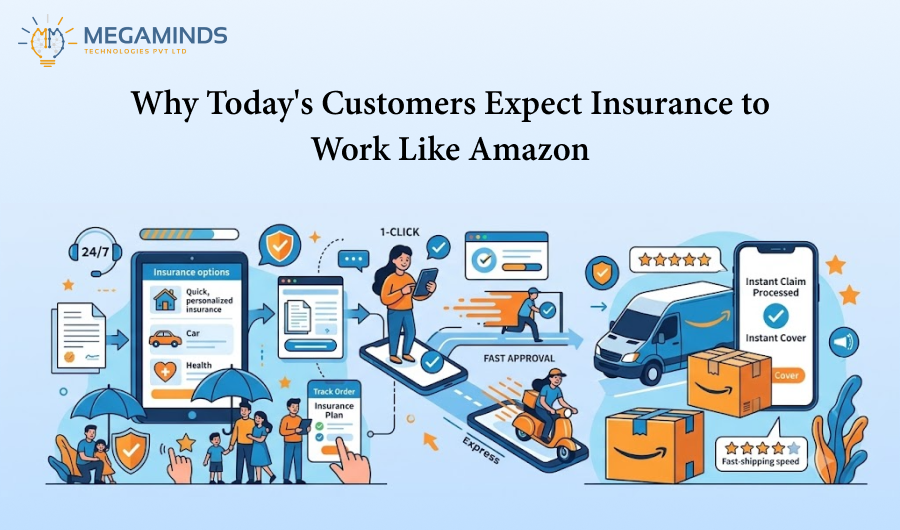
Customers expect instant gratification. Why can’t our policy holders quote, pay, track, and claim our services in the shortest time possible? With competitors aligned towards excellent customer experience and service, insurance companies should revamp their systems, processes and policy to match the needs of the client, increasing speed and reducing customer effort.
Customers of insurance products are increasingly similar to customers of products and services in other markets, especially in their expectations regarding digital tools, processes and experience.
A recent survey found that over 47% of customers in 2026 purchased their auto or home insurance policies through a digital channel.
There are specific expectations of insurers by customers that are similar to expectations of other financial services. Customers expect the insurer will:
A digital first insurance company integrates its processes and systems to provide a connected insurance journey.
A digital first, connected and customer centered insurance journey reduces the number of points in the insurance process where customers are required to engage with the insurance company in person or over the phone.
Customers are accustomed to instant and real time access to information and have rightfully high expectations for service providers to facilitate the same. This is especially true during the claims process.
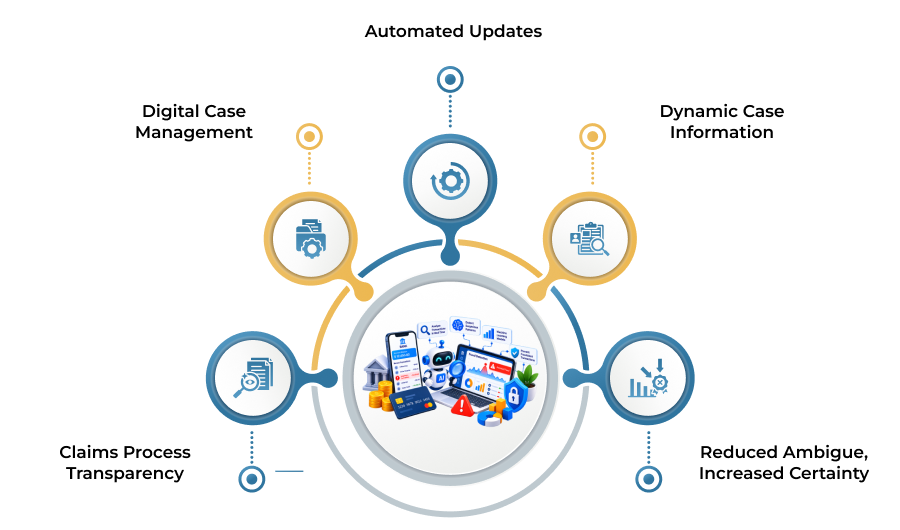
The expectation by customers has shifted. It is the responsibility of the insurance provider to ensure that claims process information is provided to the customer without the customer having to request the information.
Insurance involves underwriting, verification, documentation, fraud checks, and human judgment. But complexity behind the scenes should not mean friction for customers.
Deloitte’s 2026 analysis of nearly 4,000 customer responses across 12 U.S. property and casualty insurers found that many customers still experience claims as complex, fragmented, and unclear.
The Business Takeaway
Faster insurance isn’t only about processing claims quickly—it’s about keeping customers informed, reducing unnecessary steps, and making every interaction feel effortless.
Amazon personalizes based on what you might expect from other services: memorizing preferences, suggesting related options, and altering content based on your previous interactions. Amazon claims its personalization consists of altering how it presents content, based on things like product ratings and questions, as well as what you’ve purchased and what you’ve searched for.
Insurance can do similar things in similar ways.
Rather than using generic messages, insurers can create personalized messages for:
Based on the insured’s situation and risk, prevention and loss information can be presented in various ways. Personalization does not mean there must be a focus on selling. Personalization means there can be easier and more relevant communication.
According to McKinsey, AI can assist in accomplishing hyper personalization and a range of other tasks in insurance, including customer service, underwriting, and claims management.
Policyholders need to be able to find information about their policies. They want to see their coverage and exclusions. They want to be able to easily find out the status of a claim and what, if any, additional information they need to turn over to the insurance company.
Insurance companies can provide policyholders with digital dashboards, or similar resources, to provide policyholders with a centralized location to view information about their policy, claim, and the status of that claim.
Insurers strengthen relationships by making every interaction a positive, trust-building experience. Trust matters most at claim time: in the J.D. Power 2025 U.S. Auto Claims Satisfaction Study, trust ranked as the number one driver of claims satisfaction, ahead of settlement fairness and speed.
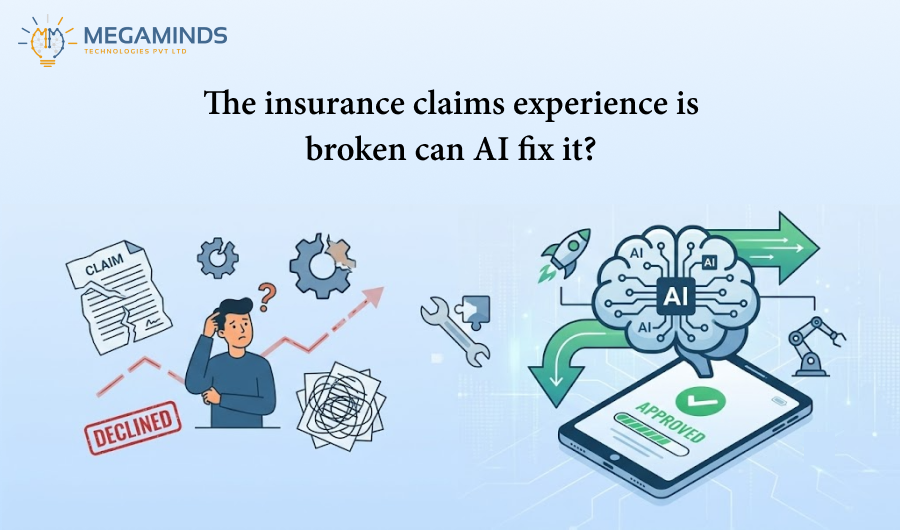
AI and data are helping insurers reduce manual work, speed up decisions, and deliver more personalized customer experiences.
Amazon has transformed shopping. Insurance shopping, servicing, and adjusting can also be transformed with improved accessibility and convenience.
Frictionless experiences are now expected. Insurance companies should incorporate more AI and automation in combination with personal touch-point support to give customers the individualized experience they expect while minimizing the effort and time it takes to support and service customers.
McKinsey has observed and studied the increasing preference and expectation of individualized insurance recommendations and support via a myriad of integrated support and service channels.
Insurance companies should implement these recommendations to provide effortless insurance solutions to the public and increase their client retention. Trust can also be earned and maintained by constantly providing useful and relevant information to the public about insurance services and products.
A frictionless experience for customers is a goal for every company. Creating such an experience has tremendous benefits for company operations, customer loyalty and company growth.
Insurance customers expect digital experiences with their insurers that are on par with other digital experiences they have in their day-to-day lives.
Insurance companies need to adopt best-in-class digital processes to win and retain customers. To retain customers, companies must utilize a range of digital innovations including reducing process and experience friction, enhancing transparency and personally tailoring customer experiences. Utilizing artifiical intelligence (AI) and other digital innovations enables insurers to automate and enhance customer experiences while enabling employees to focus on more complex and demanding customer requirements.
Insurance is inherently complicated and digitizing the processes and integrating IT systems to provide customers with a simple and intuitive experience is critical to successfully differentiating a company’s insurance offering and increasing customer retention.
08 Oct 2026
05 Oct 2026
01 Oct 2026