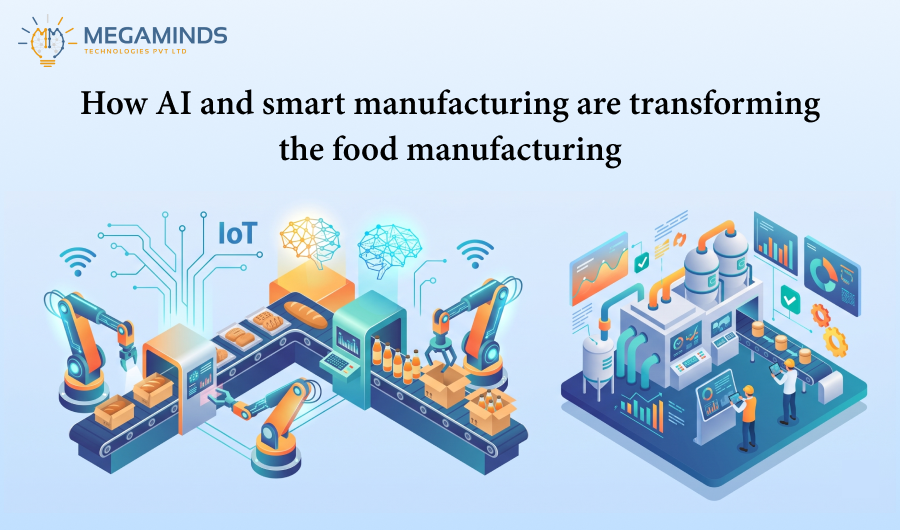
How AI and Smart Manufacturing...
19 Oct 2026


The insurance industry has long been characterized by traditional models that rely on established practices and processes. However, the advent of technology has ushered in a new era known as Insurtech, which is revolutionizing how insurance companies operate and interact with their customers. Insurtech refers to the innovative use of technology in the insurance sector aimed at improving efficiency, customer experience, and overall service delivery. This article explores the profound impact of Insurtech on traditional insurance models and how it is reshaping the industry landscape.
Insurtech encompasses a wide range of technologies, including artificial intelligence (AI), machine learning, big data analytics, blockchain, and the Internet of Things (IoT). These technologies enable insurance companies to streamline operations, enhance underwriting processes, improve claims management, and offer personalized products to customers. Insurtech companies often operate with a startup mentality, focusing on agility and innovation, which challenges traditional insurers to adapt and evolve.
One of the most significant impacts of Insurtech is the transformation of customer experience in the insurance industry. Traditional insurance models often involve lengthy processes, complex paperwork, and a lack of transparency. Insurtech solutions prioritize user-friendly interfaces and seamless digital interactions.
Insurtech platforms allow customers to receive instant quotes and purchase policies online without the need for intermediaries. This convenience enhances customer satisfaction and reduces the time taken to secure coverage. By simplifying the purchasing process, Insurtech companies make it easier for consumers to understand their options and select the right coverage for their needs.
Leveraging big data analytics, Insurtech companies can analyze customer behavior and preferences to offer tailored insurance products. This personalization leads to better customer engagement and loyalty. For example, usage-based insurance models allow customers to pay premiums based on their actual usage of a service, such as driving behavior in auto insurance, which can result in lower costs for safer drivers.
Traditional underwriting processes can be slow and cumbersome, often requiring extensive documentation and manual evaluations. Insurtech is revolutionizing underwriting by automating and optimizing these processes.
Insurtech companies utilize advanced algorithms and machine learning to assess risk more accurately. By analyzing vast amounts of data from various sources, insurers can make informed underwriting decisions quickly. This data-driven approach reduces the time required to evaluate applications and can lead to more competitive pricing for consumers.
With the integration of IoT devices, insurers can monitor real-time data related to policyholders’ behaviors and conditions. This allows for dynamic risk assessment and the potential for usage-based insurance models. For instance, health insurance providers can use wearables to track patients’ health metrics, adjusting premiums based on their lifestyle choices.
Claims management has traditionally been a pain point for both insurers and policyholders. Insurtech innovations are streamlining this process, making it more efficient and transparent.
Insurtech platforms can automate claims processing using AI and machine learning. This reduces the time taken to assess and settle claims, leading to improved customer satisfaction. With automated systems, insurers can quickly analyze claims data, identify patterns, and expedite the approval process.
Advanced analytics and machine learning algorithms help identify fraudulent claims by analyzing patterns and anomalies. This not only protects insurers from losses but also ensures that legitimate claims are processed swiftly. By leveraging technology for fraud detection, insurers can maintain the integrity of their operations while delivering faster service to honest policyholders.
Insurtech solutions enable traditional insurers to achieve cost efficiency, which is crucial in a competitive market. By automating processes and leveraging technology, insurers can reduce operational costs and pass on savings to customers.
Insurtech companies can quickly adapt to changing market conditions and customer demands. Traditional insurers adopting Insurtech solutions can enhance their agility and competitiveness. This agility allows insurers to innovate rapidly, launch new products, and respond to emerging trends in the market.
Insurtech has led to the emergence of new business models, such as peer-to-peer insurance and on-demand coverage. Traditional insurers must embrace these innovations to stay relevant in the evolving landscape. For example, peer-to-peer insurance allows groups of individuals to pool their resources for coverage, fostering a sense of community and shared responsibility.
While Insurtech presents numerous opportunities, it also poses regulatory challenges for traditional insurers. The rapid pace of technological advancement often outstrips existing regulatory frameworks, leading to uncertainty.
Insurers must ensure that their Insurtech solutions comply with regulations while safeguarding customer data. This requires continuous monitoring and adaptation to regulatory changes. Insurers need to invest in robust cybersecurity measures to protect sensitive information and maintain customer trust.
To navigate these challenges, insurers should collaborate with regulators and industry bodies to develop guidelines that foster innovation while protecting consumer interests. By engaging with regulators, insurers can help shape policies that support the growth of Insurtech while ensuring compliance and consumer protection.
The impact of Insurtech on traditional insurance models is profound and far-reaching. By enhancing customer experience, streamlining underwriting and claims processes, improving cost efficiency, and fostering innovation, Insurtech is reshaping the insurance landscape. Traditional insurers must embrace these changes and adapt their strategies to remain competitive in an increasingly digital world. As Insurtech continues to evolve, it will undoubtedly play a pivotal role in defining the future of the insurance industry.
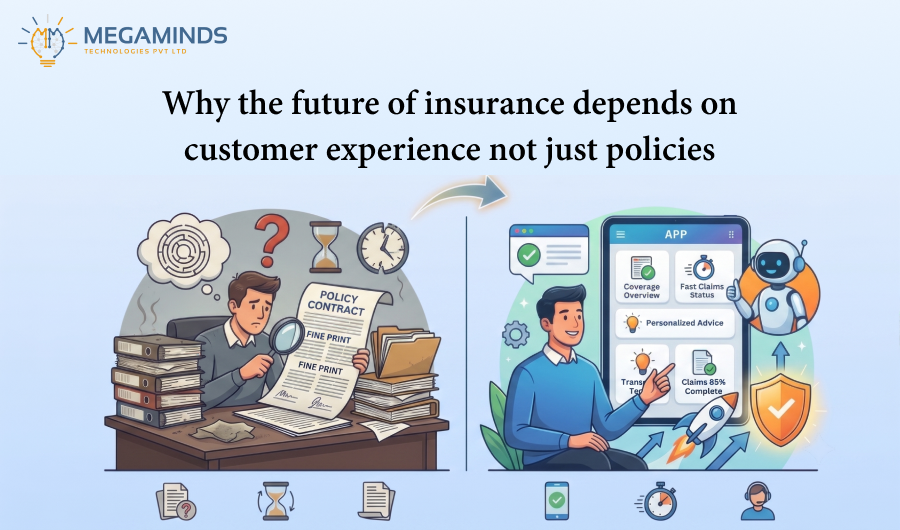
15 Oct 2026
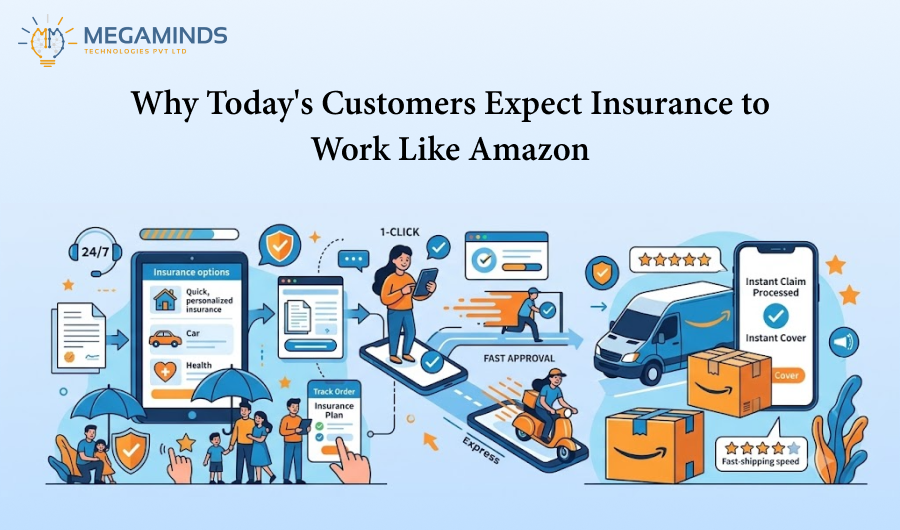
12 Oct 2026
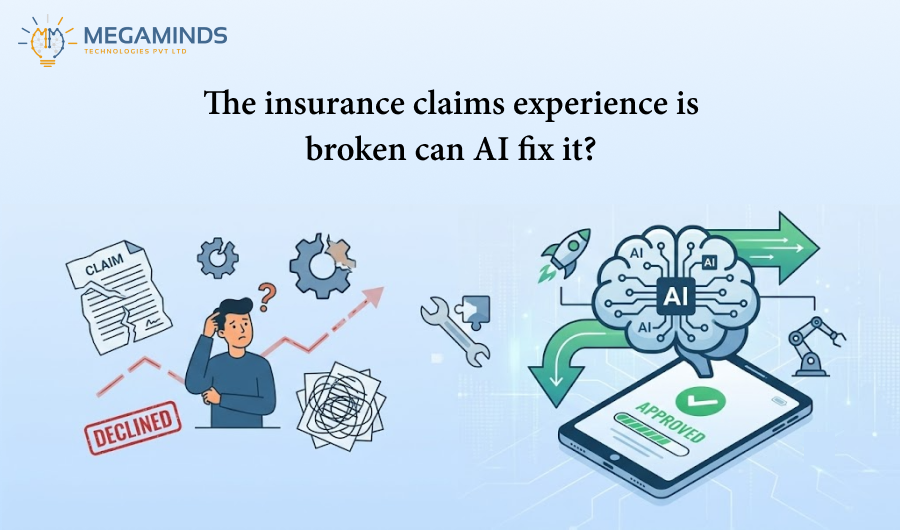
01 Oct 2026