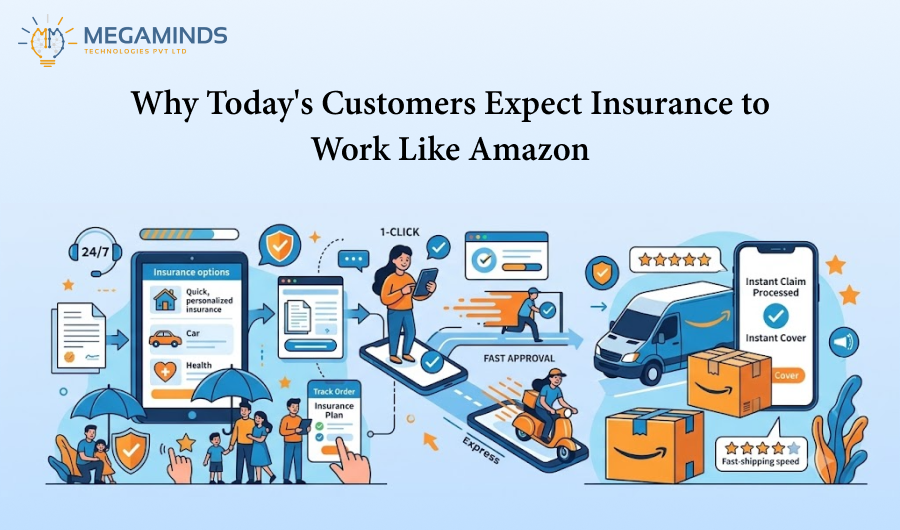
Why Today’s Customers Expect Insurance...
12 Oct 2026


Today’s organizations face ongoing pressure to innovate and adapt in the ever changing digital market. Digital transformation is now essential to maintaining competitiveness rather than a luxury. An essential element of this change is the implementation of managed services. Organizations can focus on key company goals, cut expenses, and streamline processes by utilizing managed services.
Managed services refer to the practice of outsourcing certain IT functions to a third-party provider. These services can range from network management, cybersecurity, cloud services, to IT support and maintenance. Managed service providers (MSPs) offer a proactive approach, ensuring that IT systems run smoothly and efficiently.
The process of integrating digital technology into every aspect of a business and radically altering how you run and provide value to clients is known as digital transformation. It is essential for improving efficiency, enhancing customer experience, and driving innovation. The key elements of digital transformation include:

Managed services offer predictable, subscription-based pricing models, which help businesses manage their IT budgets more effectively. By outsourcing IT functions, companies can avoid the high costs associated with in-house IT teams and infrastructure.
MSPs provide access to a pool of experienced IT professionals with specialized skills. This expertise is critical for implementing and managing advanced technologies such as cloud solutions, cybersecurity protocols, and data analytics tools.
By offloading IT management to MSPs, businesses can focus on their core activities. This allows them to allocate more resources to innovation, customer service, and strategic growth initiatives.
Security is a significant concern in digital transformation. MSPs offer robust security services, including continuous monitoring, threat detection, and incident response. This ensures that businesses are protected against cyber threats and data breaches.
Managed services provide the scalability needed to accommodate business growth. Whether it’s expanding IT infrastructure or scaling down during off-peak periods, MSPs offer the flexibility to adapt to changing business needs.
MSPs use advanced monitoring tools to proactively identify and resolve issues before they impact business operations. This proactive approach reduces downtime and ensures that IT systems are always up-to-date and running smoothly.
Staying current with the latest technology trends is crucial for digital transformation. MSPs continuously update their services to include the latest advancements, ensuring that businesses can leverage cutting-edge technologies without the need for constant internal upgrades.
Healthcare: Healthcare providers can leverage managed services for secure patient data management, telehealth services, and compliance with regulatory requirements.
Finance: Financial institutions can benefit from managed services by implementing advanced data analytics for fraud detection, ensuring data security, and maintaining compliance with industry standards.
Insurance: Insurance companies can utilize managed services to streamline claims processing, enhance customer service with AI-driven chatbots, and ensure compliance with regulatory requirements. Additionally, managed services can help in implementing advanced data analytics for risk assessment and fraud detection, improving overall operational efficiency.
Retail: A retail company can use managed services to implement a cloud-based point-of-sale system, integrate AI for personalized customer experiences, and ensure robust cybersecurity measures to protect customer data.
Managed services play a pivotal role in the digital transformation journey. They provide the necessary expertise, security, and flexibility that businesses need to thrive in a digital-first world. By partnering with a reputable MSP, organizations can accelerate their digital transformation efforts, reduce costs, and stay ahead of the competition. Embracing managed services is not just about keeping up with technology; it’s about driving innovation and achieving long-term business success.

13 Apr 2026

06 Apr 2026

09 Mar 2026