From Manual Processes to Smart...
22 Oct 2026

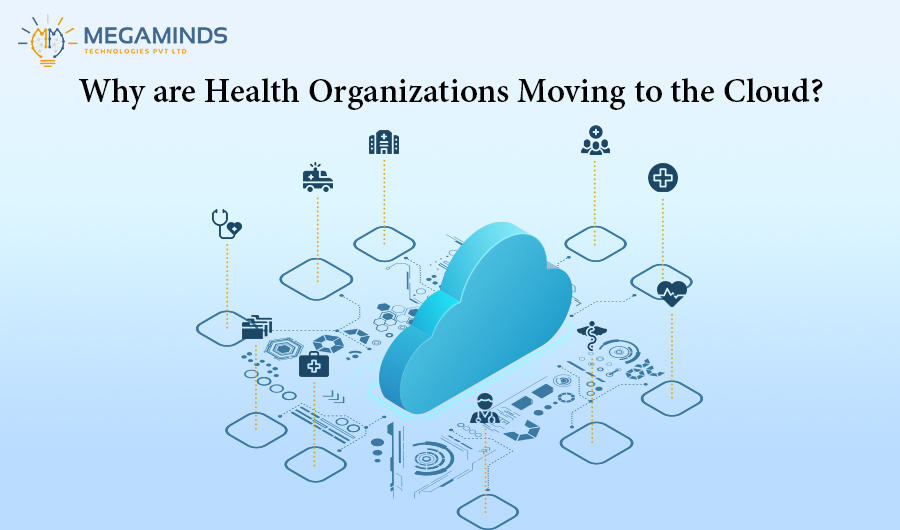
The healthcare sector has seen a dramatic change in the past several years with regard to the adoption of cloud computing technologies. Numerous causes, such as the need for better data protection, more flexibility, and improved communication among healthcare experts, have motivated this trend. This article will examine the benefits that cloud computing offers to the health sector and the reasons why health organizations are adopting it.
The healthcare industry is under constant pressure to adapt to changing patient needs, regulatory requirements, and technological advancements. Digital transformation, facilitated by cloud computing, offers a pathway to address these challenges effectively. By transitioning to the cloud, health organizations can harness the power of scalable computing resources, advanced analytics, and innovative technologies to revolutionize care delivery.
One of the primary drivers for adopting cloud computing is its scalability. Health organizations can easily scale their IT infrastructure up or down based on demand, without the need for significant capital investment in physical servers and data centers. This flexibility is crucial in healthcare, where the demand for services can fluctuate dramatically, such as during a public health crisis. The cloud enables organizations to respond swiftly to changing needs, ensuring that resources are allocated efficiently and effectively.
Cloud computing fosters a more collaborative environment by facilitating the secure sharing of information across different locations and departments. Healthcare providers can access patient records, imaging results, and other critical data in real-time, improving the coordination of care and reducing the likelihood of errors. Moreover, cloud-based platforms support telehealth services, allowing patients to receive care remotely, which is particularly beneficial for those in rural or underserved areas.
Moving to the cloud can result in significant cost savings for health organizations. The cloud’s pay-as-you-go model eliminates the need for upfront investments in hardware and reduces the costs associated with maintaining and upgrading IT infrastructure. Additionally, cloud services often include built-in security and compliance features, further reducing the financial burden on healthcare providers.
The vast amounts of data generated by health organizations hold valuable insights that can improve patient care and operational efficiency. Cloud computing provides the computational power needed to analyze big data, enabling healthcare providers to identify trends, optimize treatment plans, and predict patient outcomes. This data-driven approach supports personalized medicine, where treatments are tailored to the individual characteristics of each patient, leading to better health outcomes.
Data security and regulatory compliance are paramount in healthcare. Cloud providers invest heavily in security measures, including encryption, firewalls, and intrusion detection systems, to protect sensitive health information. Moreover, reputable cloud service providers comply with healthcare regulations, including HIPAA in the United States. As a result, healthcare organizations can meet legal requirements for protecting sensitive patient data.
Despite the clear benefits, the transition to the cloud is not without challenges. Concerns about data security, privacy, and the potential for service disruptions require careful consideration and planning. Health organizations must choose reliable cloud providers and implement robust data governance policies to mitigate these risks. Additionally, staff training and change management are essential to ensure a smooth transition and maximize the benefits of cloud computing.
The future of healthcare depends on cloud computing. As technology advances, cloud-based solutions support AI-driven diagnostics, wearable health monitors, and virtual reality therapies. In addition, the cloud accelerates medical research and innovation.
Furthermore, the COVID-19 pandemic highlighted the value of cloud computing in healthcare. Cloud-powered telehealth services helped maintain continuity of care during challenging times. As a result, healthcare organizations continue to rely on cloud technology to improve resilience and patient care.
The migration of health organizations to the cloud is a reflection of the healthcare sector’s commitment to leveraging technology for better patient outcomes. The benefits of cloud computing – scalability, cost efficiency, enhanced collaboration, and the potential for personalized care – are driving this transformation. While challenges exist, the strategic use of cloud computing can address these concerns. It also creates new opportunities to improve healthcare services. Looking ahead, cloud computing will drive innovation, increase operational efficiency, and expand access to quality care. As a result, it will help build a healthier society.
05 Oct 2026
21 Sep 2026
10 Sep 2026