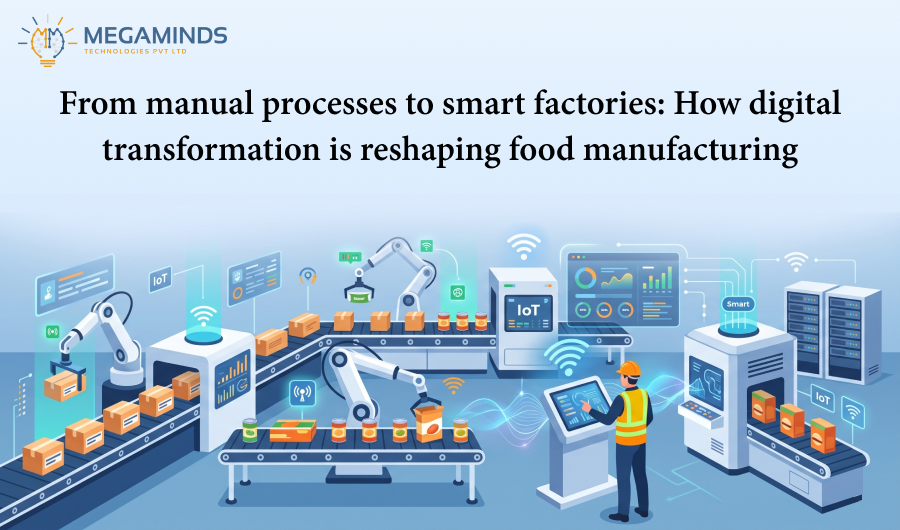
From Manual Processes to Smart...
22 Oct 2026


In today’s fast-paced digital world, businesses are constantly seeking ways to innovate and deliver applications quickly. Low code development platforms have emerged as a powerful solution, enabling organizations to create applications with minimal hand-coding. This article explores the best low code development platforms available in the market, their features, benefits, and how they can help businesses streamline their application development processes.
Low code development refers to the use of visual development tools and pre-built templates to create applications with minimal coding. This approach allows developers and non-developers alike to build applications quickly, reducing the time and effort required for traditional coding. The 2024 Gartner® Magic QuadrantTM for Enterprise Low-Code Application Platforms predicts that “80% of businesses worldwide will use enterprise LCAPs for mission-critical application development by 2029, up from 15% in 2024.”
A study by Forrester Research found that A similar surge in citizen development and AI-infused platforms could propel the low-code and DPA market is expected to expand at a compound annual growth rate (CAGR) of 23.7% from USD 11.86 billion in 2024 to USD 64.95 billion by 2032.
Faster Development: Low code platforms enable rapid application development, allowing businesses to launch products and features more quickly.
Cost-Effective: By reducing the need for extensive coding, organizations can save on development costs and allocate resources more efficiently.
Increased Collaboration: Low code platforms facilitate collaboration between IT and business teams, enabling stakeholders to contribute to the development process.
Flexibility and Scalability: These platforms allow businesses to easily modify and scale applications as their needs change.
According to a report by Mendix, 87% of organizations using low code platforms reported improved collaboration between IT and business teams.
OutSystems is a leading low code development platform that allows users to create enterprise-grade applications quickly. It offers a robust set of features, including:
Visual Development: Drag-and-drop interface for building applications.
Integration Capabilities: Seamless integration with existing systems and databases.
Mobile and Web Support: Build applications for both mobile and web platforms.
Use Case: Companies like Toyota and Deloitte have successfully used OutSystems to accelerate their application development processes.
Mendix is another popular low code platform that focuses on collaboration and rapid development. Key features include:
Collaboration Tools: integrated resources for feedback and teamwork.
Multi-Channel Deployment: Deploy applications across web, mobile, and desktop.
AI-Powered Development: Leverage AI to enhance the development process.
Use Case: Siemens used Mendix to develop a digital twin application, significantly reducing development time.
Microsoft Power Apps is part of the Microsoft Power Platform, allowing users to create custom applications with ease. Features include:
Integration with Microsoft Services: Seamless integration with Microsoft 365, Dynamics 365, and Azure.
Pre-Built Templates: A wide range of templates to kickstart application development.
AI Builder: Incorporate AI capabilities into applications without extensive coding.
Use Case: Organizations like Coca-Cola have utilized Power Apps to streamline their operations and improve efficiency.
Appian is a low code automation platform that focuses on process automation and workflow management. Key features include:
Process Automation: Automate complex business processes with ease.
Real-Time Analytics: Gain insights into application performance and user behavior.
Mobile-First Design: Create applications that work seamlessly on mobile devices.
Use Case: The U.S. Army used Appian to develop a system for managing personnel records, improving efficiency and accuracy.
Salesforce Lightning is a low code platform designed for building applications within the Salesforce ecosystem. Features include:
Drag-and-Drop Interface: Easily create applications using a visual interface.
Integration with Salesforce Data: Leverage existing Salesforce data and workflows.
Customizable Components: Use pre-built components to accelerate development.
Use Case: Companies like American Express have leveraged Salesforce Lightning to enhance customer relationship management.
Betty Blocks is a user-friendly low code platform that empowers non-developers to create applications. Key features include:
No Coding Required: Users can build applications without any coding knowledge.
Collaboration Features: Facilitate collaboration between business users and IT.
Flexible Deployment: Deploy applications on various platforms.
Use Case: The Dutch government used Betty Blocks to create a citizen engagement platform, improving communication with residents.
When selecting a low code development platform, consider the following factors:
Ease of Use: Look for a platform with an intuitive interface that allows users to build applications without extensive training.
Integration Capabilities: Ensure the platform can integrate with your existing systems and data sources.
Scalability: Select a platform that can accommodate rising demand and expand with your company.
Support and Community: Consider the level of support offered by the platform and the availability of a user community for assistance.
By delivering software up to 10 times faster than traditional development, OutSystems assists IT teams in regaining the trust of stakeholders.
Low code development platforms are revolutionizing the way businesses create applications, enabling faster development, cost savings, and improved collaboration. With numerous options available, organizations can choose the platform that best fits their needs and goals. By leveraging low code technology, businesses can stay competitive in today’s rapidly evolving digital landscape.
As the demand for applications continues to grow, investing in a low code development platform can be a strategic move for organizations looking to innovate and streamline their development processes.
24 Aug 2026
15 Jun 2026

25 May 2026