The financial technology (Fintech) industry never sits still, new apps, ledgers, and payment rails appear almost daily. Regulators, in turn, keep tightening their lenses. Audits and periodic reports have morphed from paperwork drudgery into core strategy sessions for firms that intend to grow and stay credible. A recent survey claims roughly 93% of these companies still stumble over the rules, while more than 60% wind up handing over $250,000-or more-each year to atone for minor missteps.
Challenges in Fintech Regulatory Audits
Fragmented Data Sources and Silos
Industry surveys published earlier this year indicate that 54% of senior executives in banking name isolated data stores as the single greatest hindrance to innovation. A somewhat larger 62% classify dismantling those silos as the chief objective of their data road maps. Fragmented environments show up in at least two concrete ways:
- Disconnected System Architecture: Fintech companies typically rely on disparate systems for payment processing, customer relationship management, risk assessment, and regulatory reporting. These isolated systems create blind spots that auditors struggle to navigate, leading to incomplete fintech compliance assessments.
- Cross-Border Complexity: Setting up cross-border companies creates more intricacies, having to move through diverse regulatory environments in various jurisdictions. Thus, the wide-range geographic location compounds data management problems and creates compliance gaps.
Resource Constraints and Expertise Gaps
- Limited Internal Audit Resources: Being non-bank entities, Fintech generally do not have enough internal audit resources and hence run the risk of cybersecurity and regulatory fintech compliance coverage not being exercised.
- Competency Gaps in Emerging Technologies: Fintech find it very difficult to comply with regulations because there are very few experts who understand both financial service regulations and emerging tech such as AI and blockchain.
Regulatory Complexity and Evolving Requirements
- Multi-Jurisdictional Compliance: Operating globally, the fintechs face obstacles in complying with varying standards, as the countries adopt the FATF guidelines with their own regulations.
- Dynamic Regulatory Landscape: Evolving regulations such as the 6AMLD and MiCA require that they continuously update their systems for fintech compliance and keep alert to changes.
Limitations of Traditional Reporting Tools
Inadequate Data Processing Capabilities
- Legacy System Constraints: Legacy systems impose restrictions on the adoption of advanced data analytics by fintechs and their ability to use regulatory reporting accurately, in real-time, and at scale.
- Batch Processing Limitations: Preparedness allows data access only for batch processing and does not allow for real-time monitoring of compliance, thus increasing the risks of lack of mitigation or even regulatory breach.
Manual Process Dependencies
- Time-Intensive Workflows: Manual workflows consume valuable resources and slow decision-making. Automating data collection and reporting allows teams to focus on strategic initiatives and improve operational efficiency.
- Lack of Audit Trails: Manual processes often lack reliable audit trails, making it difficult to track changes or demonstrate fintech compliance. As a result, organizations face a higher risk of regulatory issues during audits and inspections.
Inflexibility and Integration Challenges
- Rigid Reporting Structures: Most of the legacy applications require heavy customization from year to year to meet various regulatory requirements, thereby prolonging implementation time and increasing the cost.
- Poor Integration Capabilities: Typical instruments lack the APIs and thus do not integrate with the modern fintech systems, culminating in so-called data islands, which hinder the comprehensive reporting effort.
Designing Fintech-specific Compliance Apps
1. Comprehensive Data Integration
Data from different sources is integrated inside PowerApps, so no silos stand in the way of auditors who need unified access to transactions, customer data, and compliance metrics.
2. Built-in Compliance Features
Power Apps helps fintech companies meet regulatory compliance by offering built-in compliance templates and governance features. These tools enable faster deployment while supporting industry standards from day one.
3. Real-Time Monitoring Dashboards
Develop elaborate dashboards that quickly get data on compliance measures, transaction volumes, and risk indicators. These dashboards should be flexible, allowing views based on user role and applicable regulation.
4. Automated Data Collection
Automate the workflows that capture and validate multi-source data to reduce manual effort and provide checks for quality and exception handling in the process to guarantee compliance.
5. Regulatory Reporting Templates
Create pre-filled, standardised reporting templates for different types of regulations, supporting assorted formats and distribution channels with a view to offering smooth and uniform compliance reporting in the different jurisdictions.
6. Audit Trail Management
Provide for audit trail mechanisms that keep track of all data access, modifications, and user actions within the compliance application. This process is critical for regulatory examination processes and internal audit procedures.
7. Data Encryption and Protection
Encrypt all data in transit and at rest, while managing keys and recording access. Power Apps offer an enterprise-grade encryption mechanism that will satisfy all fintech security protocols.
8. Compliance Monitoring
Develop monitoring systems that track application use, data access patterns, and possible security incidents. This monitoring matrix should be interfaced with the present systems of security information and event management (SIEM).
Using AI for Regulatory Monitoring
1. Natural Language Processing for Regulatory Updates
AI systems, empowered with NLP, parse a regulatory document, extract the applicable requirements, and infer changes that might impact a fintech. This process greatly reduces the time and effort needed to keep up-to-date with changing regulations.
2. Predictive Risk Assessment
Machine learning algorithms analyze historical fintech compliance data to identify and predict possible risk areas. Such prediction would put the fintech companies in a better position to prevent rather than respond to compliance problems when they occur.
3. Automated Transaction Monitoring
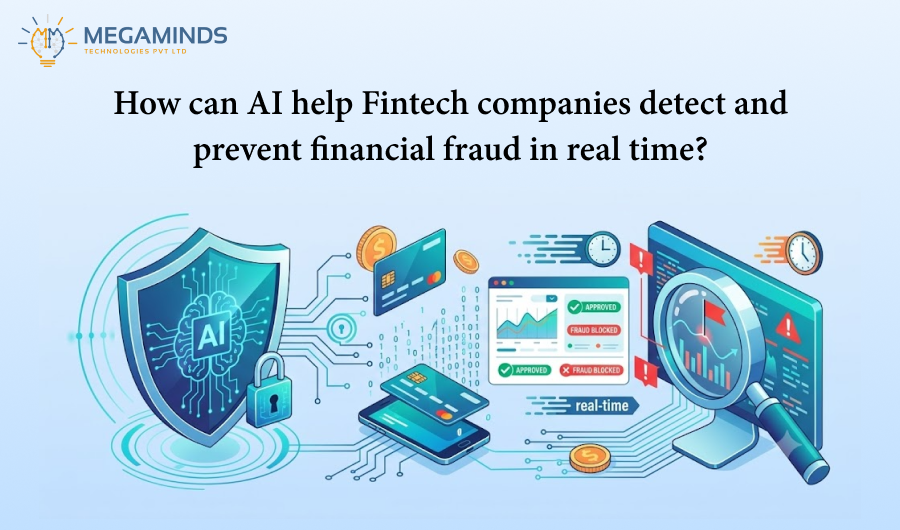
AI-powered transaction monitoring systems can monitor and alert suspicious patterns and potential compliance violations in real-time for millions of transactions. It also would be extremely helpful for AML compliance and KYC compliance.
4. Data Quality and Governance
For AI systems to run smoothly on their end, the data have to be well-governed and of the highest quality. Organizations have to develop the most robust data governance framework to ensure their data are accurate, complete, and consistent.
5. Model Training and Validation
AI models will have to be trained on relevant historical data and validated against known compliance scenarios. Once done, they must be fine-tuned and adjusted continuously along the way to retain their accuracy and relevance.
Workflow Automation & Audit Readiness
Power Automate for Compliance Workflows
- Automated Data Collection and Validation: Power Automate will pick data from different sources, validate it against defined rules, then send it to the relevant destination or person. This will help reduce manual effort and ensure that the data is accurate.
- Compliance Workflow Orchestration: Build workflows that manage complex fintech compliance processes, complete with approval chains, document management, and audit trail generation. The workflows would then ensure the compliance processes are executed uniformly.
- Alert and Notification Systems: Set up software alert systems that notify the required parties about compliance issues, deadlines, or other necessary actions. The notifications may be classified as per user roles and their respective urgencies.
Building Audit-Ready Processes
- Standardized Process Documentation: Create standardized process documentation for all compliance activities, including a step-by-step description of procedures undertaken, responsible parties, and checkpoints for assuring quality. Such documentation should be kept and updated automatically as the process changes.
- Continuous Monitoring and Control Testing: Install continuous monitoring systems to automatically re-test the key controls and alert if performances deviate from expectations. This proactive monitoring highlights the problem areas before they evolve into embracing issues.
- Comprehensive Audit Trails: Ensure that the automated workflows maintain complete audit trails whenever user actions, system changes, and data modifications are involved. In addition to being tamper-proof, these trails should also be readily made available for regulatory scrutiny.
Audit Readiness Benefits
- Reduced Audit Preparation Time: Automated processes and comprehensive documentation greatly reduce the time being invested in the preparation for audits, thereby giving the teams an opportunity to focus on strategic initiatives rather than manual preparation.
- Improved Control Effectiveness: Automated controls are consistent in their application and their testing can be carried out on a continuous basis, providing a lot of assurances that these controls are indeed effective as compared to manual controls.
- Enhanced Regulatory Reporting: These automated workflows facilitate regulatory reporting on time and with utmost accuracy, thereby diminishing the risk of non-compliance and the penalties that may be levied for it.
- Operational Efficiency: These workflows are streamlined and exhibit low manual intervention within, thereby boosting the overall operating efficiency while still holding to high compliance standards.
Conclusion
Microsoft Power Apps represents a transformative solution for fintech organizations struggling with audit and regulatory reporting gaps. The platform’s ability to integrate disparate data sources, automate manual workflows, and provide real-time regulatory insights positions fintech firms to not only meet current compliance requirements but proactively adapt to evolving regulatory landscapes. Organizations implementing Power Apps report significant reductions in audit preparation time, enhanced control effectiveness, and improved operational efficiency. Contact us today to discover how Power Apps can revolutionize your fintech compliance strategy and transform your regulatory reporting capabilities.