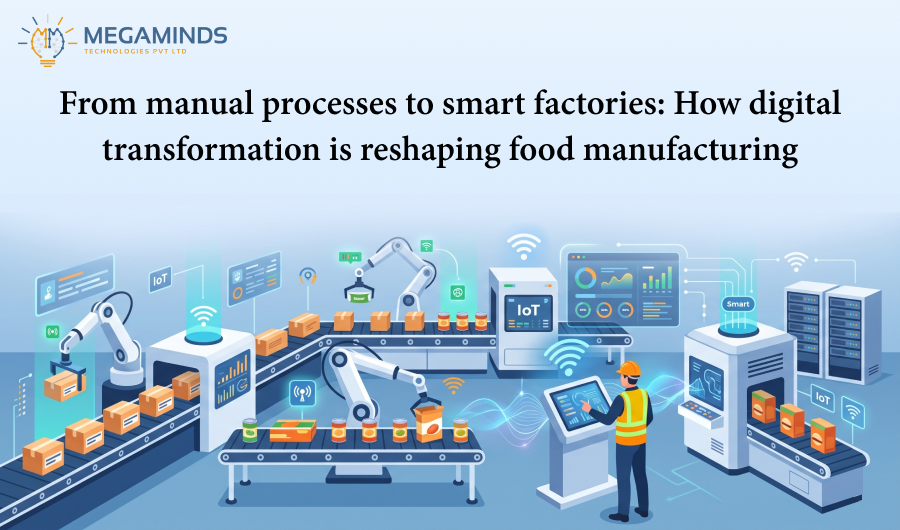
From Manual Processes to Smart...
22 Oct 2026


In modern logistics, freight auditing is a time-consuming and costly task when done manually. Large freight invoices can conceal costly errors. Each carrier invoice is reviewed manually, and the process is slow and prone to errors. Decision-makers are left with unquestioned mistakes resulting in surprise costs, late fees, and strained carrier relationships. Big companies are now digitizing the freight audit and payment process through business intelligence tools such as Microsoft Power BI. By pulling data from shipping, TMS, and accounting systems into interactive dashboards, Power BI brings audit metrics to life in real time, therefore turning a reactive manual process into a proactive management function. This post looks at just how these dashboards plus automation can reduce mistakes and costly delays in freight auditing.
Manual freight auditing resembles detective work, going through every shipment line by line. If even a quarter of the invoices carry errors, these hidden costs balloon quite fast. In many companies, hours get wasted as internal teams cross-check bills against contracts and contact the carriers for refunds. These mistakes and delays are directly increasing freight costs.
According to industry research, the cost of manually processing a single freight invoice ranges from $15 to $50, with document handling comprising the bulk of that expense. When errors are detected, these costs can increase dramatically. More alarming is the statistic that approximately 15% of all carrier invoices contain errors, most of which result in overcharges.
Key pain points of manual audits include:
By consolidating freight invoices, contracts and shipment data in one system, automated auditing closes these gaps. For example, carriers often misapply fuel or weight charges, an automated audit tool can instantly flag discrepancies and compute the true carrier cost. The savings can be dramatic.
Microsoft Power BI has become a transformational force in freight audit and payment processing, endowing these processes with facilities never offered by manual systems. While a spreadsheet reporting system traditionally would have worked, Power BI provides an interactive real-time dashboard view of the issues that weigh in at the strategic level as well as moderately in the drill-down analysis.
A modern Power BI implementation for freight auditing delivers several critical advantages:
Power BI can integrate data inputs from such sources as transportation management systems, carrier EDI feeds, accounting software, and warehouse management systems, making one single source of truth for all freight-related information. Such alien data silos that characterize manual processing.
Being a legendary data processor with Power BI, exceptions are raised automatically against a business rule set that is preloaded into the system. Identifying and resolving discrepancies had been a manual operation required for the higher accuracy rate.
Power BI dashboards display real-time visibility of freight spend, audit status, and payment cycles as opposed to traditional month-end reports. Proactive management is thereby enabled instead of reactive problem-solving.
Being able to explore and analyze freight data independently allows users in the business environment to perform data analysis free of the phantom-like requirements of technical knowledge or guarantees of IT time. This analysis is democratized and hence could accelerate the decision-making process within an entity.
An independent freight management vendor explained, post-Power-BI implementation: “Instead of becoming an output on MS Excel that is then emailed to customers as per agreed parameters, we are right now giving the clients an option to access our interactive MS Power BI Dashboard whereby the customers can log in and view their freight data reports on their own schedule from their dedicated and secure Dashboard”.
This case points to a bigger wave in that modern audit solutions couple human expertise with powerful analytics, thereby begetting financial and operational benefits. Logistics firms that are willing to trust BI-enabled platforms to “handle the bulk of the invoices” have greatly reduced error rates and improved throughput. Such extra data fed into analytics Installation now also sets the stage for further improvement (for example, revising data-screening rules and measuring the impact in real-time). In a nutshell, automation turned a back-office cost center into a data-driven profit center.
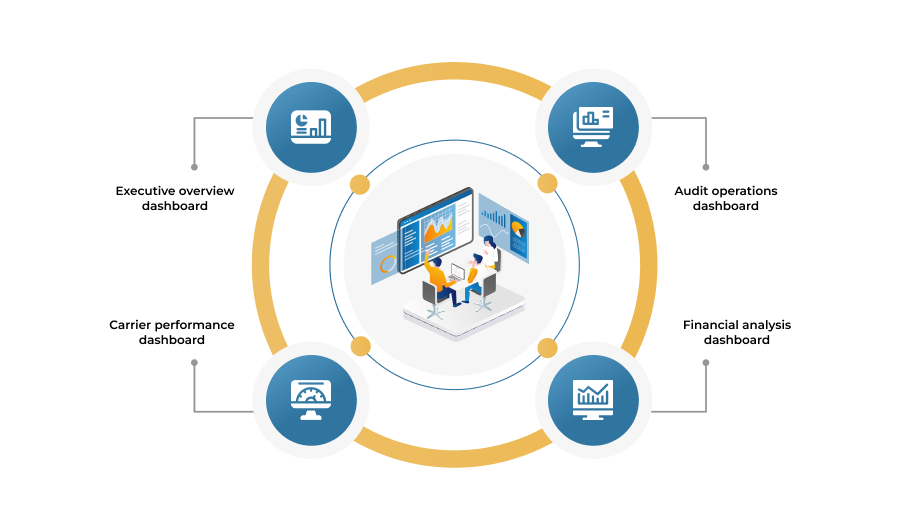
Effective Power BI implementation for freight auditing requires thoughtfully designed dashboards that address the specific needs of different stakeholders. Based on best practices from successful implementations, these dashboards should include:
Each dashboard should incorporate interactive elements that allow users to filter, sort, and drill down into the underlying data. This interactivity transforms static reporting into dynamic decision support tools that drive continuous improvement.
The evolution of freight audit automation is accelerating, with artificial intelligence and machine learning capabilities now being integrated with Power BI to create even more powerful solutions.
Forward-thinking logistics operations are already exploring capabilities such as:
AI algorithms can analyze historical invoice data and pinpoint errors that may occur in the future, allowing for preventive measures instead of corrective actions after the fact. Predictions can be visualized directly on Power BI dashboards so teams can give priority to potentially high-risk invoices.
More advanced NLP capabilities allow for the interpretation of unstructured data in carrier documentation and relevant extraction. This, combined with Power BI’s Q&A feature, means users can just ask questions about their freight spend and automatically get visual answers.
AI-enabled anomaly detection can find irregular patterns that may indicate an error, fraud, or an opportunity for optimization. As one industry report states, “While the advancements in technology primarily revolve around the automation of freight invoice auditing, the possible use cases for auditing to benefit the supply chain continue to grow.”
Modern AI systems improve over time as they process more invoices, continuously refining their error detection capabilities. This leads to ever-increasing accuracy rates and ROI.
The freight audit and payment landscape is undergoing a fundamental transformation driven by the convergence of data visualization tools like Power BI and advanced automation technologies. For businesses seeking to optimize their logistics spend, the opportunity is clear: manual auditing processes are not only costly and inefficient but are fundamentally limited in their ability to capture all potential savings.
Contact us today , we specialize in building custom Power BI dashboards that streamline your freight audit and payment workflows. If you’re ready to reduce audit errors and gain total control over your logistics data to explore how we can help.

13 Apr 2026

06 Apr 2026

09 Mar 2026