Why Today’s Customers Expect Insurance...
12 Oct 2026


In today’s fast-paced digital landscape, businesses are under immense pressure to deliver software solutions quickly and efficiently while keeping costs under control. Traditional software development, often requiring extensive coding and prolonged timelines, can be both time-consuming and expensive. This is where low-code development services come into play, offering a powerful alternative that enables businesses to build applications faster, reduce costs, and stay competitive in an ever-evolving market.
Low-code development platforms provide a visual approach to application development, allowing users to design and deploy applications with minimal hand-coding. By leveraging pre-built components and templates, low-code platforms simplify the development process, making it accessible to a broader range of users, including those with little to no programming experience. This article explores how low-code development services drive cost-effective solutions, examining the key benefits and real-world applications that make it an increasingly popular choice for businesses of all sizes.
Low-code development is a software development approach that emphasizes simplicity and speed. Unlike traditional coding, where developers write complex lines of code, low-code platforms offer drag-and-drop interfaces, pre-configured templates, and visual tools to create applications. This approach significantly reduces the amount of manual coding required, enabling faster development cycles and a quicker time to market.
The rise of low-code platforms can be attributed to the growing demand for digital transformation across industries. As businesses seek to modernize their operations, they require agile and flexible solutions that can be deployed quickly and adapted to changing needs. Low-code platforms address this demand by offering a cost-effective, efficient, and scalable solution for application development.
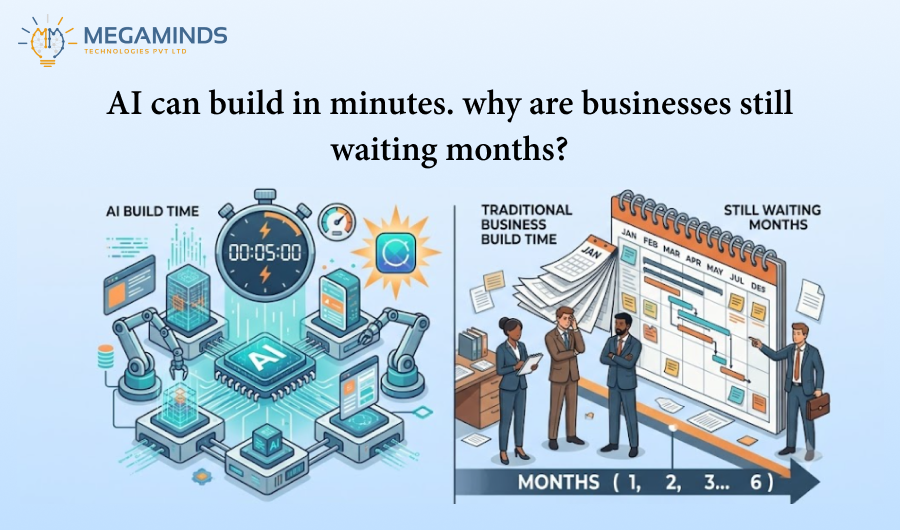
One of the most significant advantages of low-code development services is the ability to accelerate time-to-market. In traditional software development, projects can take months or even years to complete due to the complexity of coding, testing, and deployment processes. Low-code platforms, however, streamline these processes by providing pre-built modules, automated workflows, and a user-friendly interface.
By reducing the time required to develop and deploy applications, low-code platforms enable businesses to respond more quickly to market changes, customer demands, and competitive pressures. For example, a company that needs to launch a new customer-facing application can do so in a matter of weeks, rather than months, using a low-code platform. This agility allows businesses to stay ahead of the competition and capitalize on new opportunities as they arise.
Cost reduction is a critical consideration for any business, and low-code development services offer a clear advantage in this area. Traditional software development requires a team of skilled developers, often at a high cost, to write, test, and maintain code. Additionally, the longer development timelines associated with traditional methods can lead to increased labor costs, project delays, and missed opportunities.
Low-code platforms, on the other hand, allow businesses to develop applications with fewer resources. The visual development environment reduces the need for extensive coding, enabling non-developers or “citizen developers” to participate in the development process. This democratization of development not only reduces the reliance on highly skilled developers but also lowers the overall cost of development.
Moreover, low-code platforms often come with built-in features such as security, data integration, and mobile responsiveness, eliminating the need to purchase additional tools or software. By consolidating these capabilities into a single platform, businesses can achieve significant cost savings and simplify their development processes.
Flexibility and scalability are essential attributes of modern software solutions. As businesses grow and evolve, their software needs may change, requiring updates, modifications, or even complete overhauls of existing applications. Traditional software development can be rigid and time-consuming when it comes to making these changes, often requiring significant re-coding and testing.
Low-code development services provide a flexible and scalable solution that allows businesses to adapt quickly to changing requirements. The modular nature of low-code platforms enables developers to easily update or modify applications without starting from scratch. For example, if a business needs to add new features or integrate with third-party systems, they can do so with minimal disruption to the existing application.
Additionally, low-code platforms are designed to scale with the business. As the organization’s needs grow, the platform can accommodate increased workloads, more users, and additional features without compromising performance. This scalability ensures that businesses can continue to leverage their low-code applications as they expand, without the need for costly and time-consuming re-development.
Collaboration is a key factor in successful software development, yet traditional development processes often create silos between different teams, such as developers, designers, and business stakeholders. These silos can lead to miscommunication, delays, and a lack of alignment between the technical and business aspects of a project.
Low-code development platforms promote collaboration by providing a shared environment where all stakeholders can participate in the development process. The visual nature of low-code platforms makes it easier for non-technical users to understand and contribute to the development of an application. This collaborative approach ensures that the final product aligns with the business’s goals and requirements, reducing the likelihood of costly rework or misaligned features.
Furthermore, low-code platforms often include tools for project management, version control, and real-time collaboration, allowing teams to work together more efficiently. By breaking down silos and fostering collaboration, low-code development services help businesses achieve faster, more cost-effective results.
In the fast-paced business environment, the ability to prototype and iterate quickly is crucial for success. Traditional software development often involves lengthy planning and design phases, followed by time-consuming coding and testing. This linear approach can be slow and inflexible, making it difficult to respond to feedback or changes in the market.
Low-code development platforms enable rapid prototyping and iteration by providing tools for quickly building and testing applications. Businesses can create a working prototype in a matter of days, gather feedback from stakeholders or users, and make necessary adjustments before finalizing the application. This iterative approach allows for continuous improvement and ensures that the final product meets the needs of the business and its customers.
Rapid prototyping also reduces the risk associated with software development. By quickly validating ideas and making changes early in the development process, businesses can avoid costly mistakes and ensure that the final product delivers value.
Security and compliance are critical considerations in software development, particularly for industries such as healthcare, finance, and government. Traditional development processes require significant time and resources to implement and maintain security measures, often leading to increased costs and complexity.
Low-code development platforms often come with built-in security features, such as encryption, access controls, and compliance tools, that are designed to meet industry standards. These features are integrated into the platform, reducing the need for additional security measures and ensuring that applications are secure from the outset.
Moreover, low-code platforms are regularly updated to address new security threats and compliance requirements, providing businesses with peace of mind that their applications remain secure and compliant over time. This proactive approach to security reduces the risk of data breaches, legal issues, and other costly security incidents.
The benefits of low-code development services are not just theoretical; they are being realized by businesses across various industries. Here are a few examples of how low-code platforms are driving cost-effective solutions in the real world:
Low-code development services represent a paradigm shift in how businesses approach software development. By offering a faster, more flexible, and cost-effective alternative to traditional development, low-code platforms enable businesses to innovate, scale, and stay competitive in an increasingly digital world.
As more organizations recognize the benefits of low-code development, its adoption is expected to continue growing across industries. Whether it’s accelerating time-to-market, reducing development costs, or enhancing collaboration, low-code platforms are driving a new era of cost-effective software solutions that empower businesses to achieve their goals with greater efficiency and agility.
24 Aug 2026
15 Jun 2026

25 May 2026