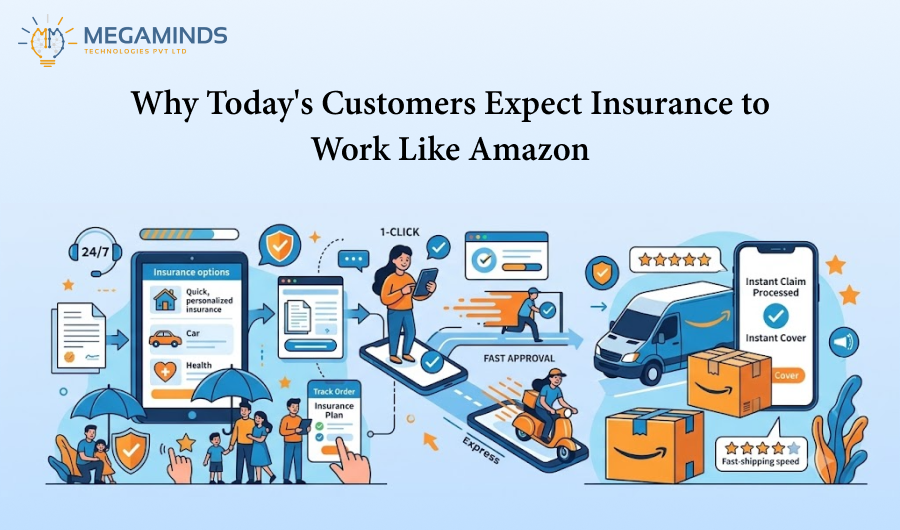
Why Today’s Customers Expect Insurance...
12 Oct 2026


Legacy applications, while once vital to operations, can become cumbersome, costly to maintain, and a barrier to innovation. Modernizing these systems is essential for organizations looking to enhance efficiency, improve customer experiences, and stay competitive. However, the path to modernization is fraught with challenges. This article explores four common barriers to legacy software modernization and four effective strategies to overcome these challenges, showcasing how low-code platforms like OutSystems can facilitate this transformation.
Legacy software modernization refers to the process of updating or replacing outdated software systems to meet current business needs and technological advancements. According to a report by Gartner, organizations that fail to modernize their legacy systems risk losing 20% of their market share to more agile competitors within the next five years. Additionally, Forrester estimates that companies can save up to 30% in operational costs by modernizing their legacy applications.
One of the most significant barriers to modernization is the inherent resistance to change within organizations. Employees and stakeholders may be accustomed to existing systems, leading to apprehension about adopting new technologies.
Impact:
The perceived high costs associated with modernizing legacy systems can deter organizations from pursuing these initiatives. Legacy systems often require significant investment in new technologies, training, and migration efforts.
Impact:
Many legacy systems are complex, with intricate codebases and dependencies that make modernization challenging. Understanding the architecture of these systems is crucial for successful modernization.
Impact:
The shortage of skilled resources familiar with both legacy systems and modern technologies can impede modernization efforts. Many organizations struggle to find talent with the necessary expertise to navigate this transition.
Impact:
To overcome resistance to change, organizations must foster a culture that embraces innovation and encourages collaboration.
Strategies:
Utilizing low-code platforms like OutSystems can significantly reduce the costs and complexities associated with legacy software modernization.
Benefits:
Before embarking on modernization efforts, organizations should conduct a thorough assessment of their legacy systems to identify areas for improvement.
Strategies:
System Inventory: Create an inventory of existing applications, documenting their functionality, usage, and dependencies. This will help prioritize modernization efforts.
To address the skills gap, organizations should invest in training and development programs that equip employees with the necessary skills to navigate modernization efforts.
Strategies:
Legacy software modernization is a critical undertaking for organizations looking to thrive in today’s digital landscape. While challenges such as resistance to change, high costs, system complexity, and a lack of skilled resources can impede progress, implementing effective strategies can pave the way for successful modernization.
As an IT agency providing low-code services, we are dedicated to helping organizations navigate their legacy software modernization journeys. If you’re ready to transform your legacy systems and embrace the future of technology, let’s discuss how we can support your modernization efforts.
24 Aug 2026
15 Jun 2026
25 May 2026