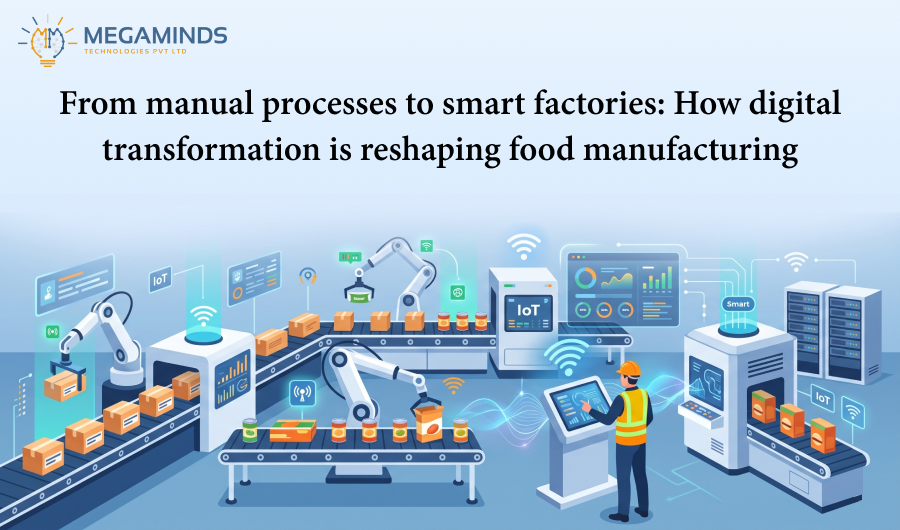
From Manual Processes to Smart...
22 Oct 2026


Analytic-based decisions have been gaining a stronghold in the U.S. healthcare industry. The increased cost pressures, staffing shortages, and changing regulatory demands challenge organizations to work more efficiently while improving patient outcomes. Efficiently comes Power BI-the very robust business intelligence of Microsoft, which actually allows a healthcare entity to unearth actionable insights from complex datasets.
For IT vendors engaged in the analytics for hospitals and healthcare organizations, Power BI stands as a pivot of an enormous opportunity to create its base for digital transformation. This blog discusses how Power BI changes the decision-making metrics in healthcare into the strategic assets for enhanced efficiency, improved compliance, and better patient care.
Data visualization is crucial in healthcare, as it transforms complex data into understandable visual formats. The global healthcare analytics market size is expected to reach USD 167.0 billion in 2030 expanding at a CAGR of 21.1% from 2024 to 2030. This surge underscores the importance of data visualization tools like Power BI, which enable healthcare professionals to quickly interpret data, identify trends, and make informed decisions.
Effective data visualization can help healthcare organizations:
Power BI has become a business analytics tool that could actually help in visualizing data and sharing insights in organizations. The interface is easy-to-use, and the rest of the features make it suitable for healthcare. There are several reasons why Power BI is important for any healthcare organization:

Power BI helps healthcare providers track crucial performance indicators, including:
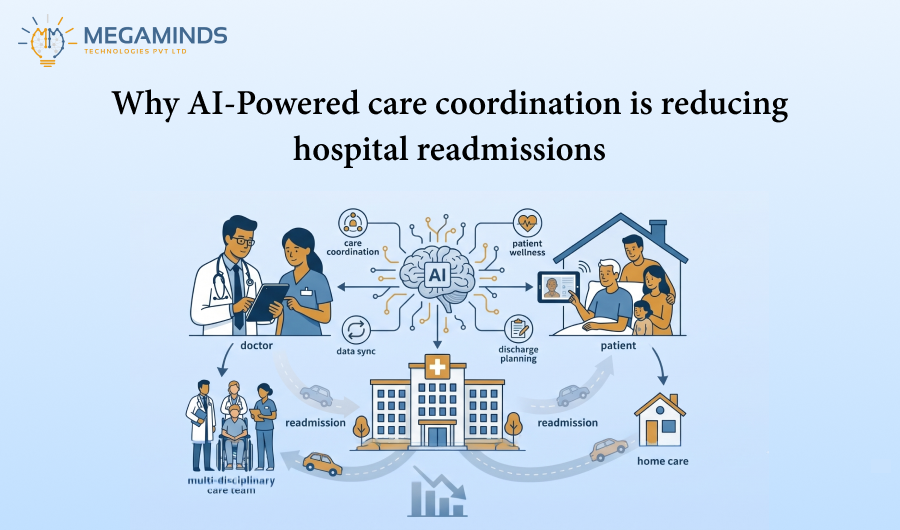
Monitors 30-day hospital readmission rates to better post-discharge care plans.
This helps to offset penalties against hospitals under the Medicare program named Hospital Readmissions Reduction Program (HRRP).
Real-time monitor hospital bed status, admitting patients accordingly, while also performing predictive analytics for manipulating staffing needs during peak time.
Analyzes the claims‘ denial rates, bill cycle lengths, and reimbursement trends to increase cash flow and minimize financial risk.
Provides insight into hospital efficiency and treatment effectiveness.
Spills over into resource planning and patient discharge administration.
Merges data from surveys (HCAHPS scores) and patient feedback systems.
Identifies gaps in service improvement.
Healthcare providers in the U.S. must adhere to strict regulatory requirements, including HIPAA, HITECH, CMS quality measures, and MACRA. Ensuring compliance with these regulations can be complex and time-consuming. Power BI simplifies this process by automating reporting for regulatory submissions, reducing manual effort and minimizing errors.
Audit trails are automatically kept using Power BI; this positively feeds into the argument of transparency within data governance since an unbroken trail of access and changes to data can be tracked. This area again finds use in compliance audit queries within accountability within the healthcare organization.
Also, to protect against exposure of sensitive patient data, Power BI facilitates only access to relevant information through role-based access controls (RBAC). By doing so, healthcare providers are helping improve data security, comply, and facilitate regulatory reporting.
To maximize the impact of Power BI in healthcare, organizations should follow these best practices:
One of the most vital features in Power BI is the use of predictive analytics. By evaluating historical data, healthcare institutions will foresee future trends and requirements of the patients. For example, predictive models identify patients at risk of chronic disease development, guiding their early intervention and individualized treatment plans.
According to a published Journal of Medical Internet Research study, predictive analytics can effectuate a reduction in hospital readmission rates by up to 20%. Thus Power BI becomes a platform from which healthcare can depict the implementation of predictive analytics, thus enhancing patient outcome versus cost.
The healthcare industry is often plagued with inventory mismanagement, drug stockouts, and inefficient procurement, disrupting patient care and causing additional costs. With Power BI, data-driven insights are offered to streamline decision-making in the supply chain operations.
Power BI integration will enhance supply chain efficiency, save costs, and promptly supply the healthcare sectors with medical supplies, ultimately improving patient care.
Power BI is revolutionizing healthcare analytics by offering real-time insights, predictive capabilities, and seamless integration with healthcare management systems. By leveraging key metrics such as patient readmission rates, resource utilization, and financial performance, healthcare providers can make data-driven decisions that enhance patient care, operational efficiency, and compliance.
For healthcare organizations looking to unlock the full potential of Power BI, partnering with an experienced IT solutions provider can ensure a seamless implementation tailored to your needs. Contact us today to explore how our Power BI consulting services can help your organization achieve data-driven success.
05 Oct 2026
21 Sep 2026
10 Sep 2026