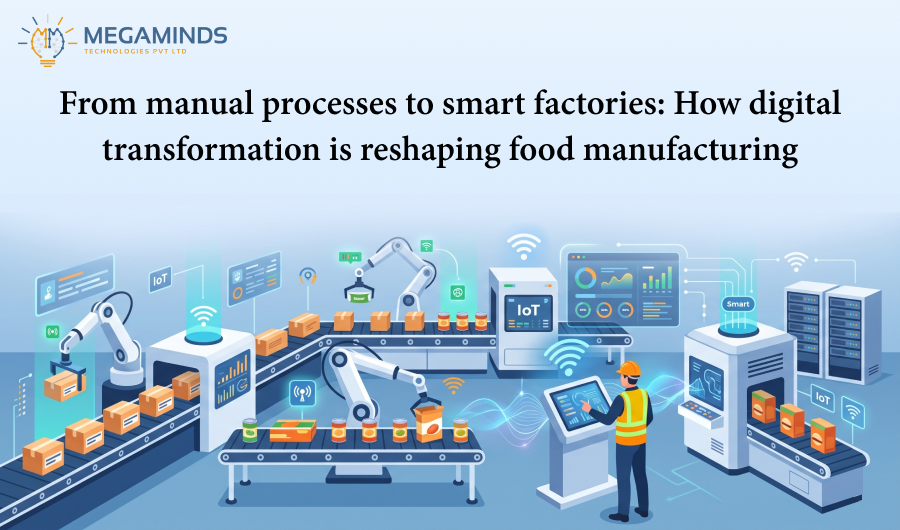
From Manual Processes to Smart...
22 Oct 2026


Software as a Service (SaaS) means software delivery model where software applications are deployed on the cloud and can be accessed through the internet. SaaS solutions are typically subscription-based, allowing businesses to access software without the need for extensive infrastructure or maintenance. Examples of popular SaaS applications include Salesforce, Google Workspace, and Slack.
Custom-built applications are software solutions specifically designed and developed to meet the unique needs of a business. Unlike SaaS, which offers a one-size-fits-all approach, custom applications are tailored to align with an organization’s specific workflows, processes, and goals. While custom solutions can be more expensive and time-consuming to develop, they provide a level of personalization that can significantly enhance operational efficiency.
| Topics | SaaS | Custom-Built |
|---|---|---|
Cost Structure | Typically operates on a subscription model, which can be more affordable for small to medium-sized businesses. The initial investment is lower, as there are no upfront costs for hardware or software licenses. However, over time, subscription fees can accumulate, potentially leading to higher long-term costs. | Generally involves a higher initial investment due to development costs. Organizations must account for design, development, testing, and deployment expenses. However, once developed, custom applications may have lower ongoing costs, as they do not require subscription fees. |
Scalability | Offers inherent scalability, allowing businesses to easily adjust their subscription plans based on their needs. As companies grow, they can scale their SaaS solutions without significant infrastructure changes. | While custom applications can also be scalable, doing so may require additional development work and investment. Organizations must plan for future growth during the initial development phase to ensure that the application can handle increased demands. |
Customization and Flexibility | Provides limited customization options. Although many SaaS applications offer add-ons and integrations, they may not fully align with specific business processes. This can lead to inefficiencies if the software does not fit seamlessly into existing workflows. | Offers complete customization, enabling businesses to design applications that meet their unique requirements. This flexibility allows organizations to optimize their processes and workflows, leading to increased efficiency and productivity. |
Maintenance and Support | The service provider is responsible for maintenance, updates, and security. This can reduce the burden on internal IT teams and ensure that the software is always up-to-date with the latest features and security protocols. | Maintenance and support are the organization’s responsibility. While this allows for tailored updates, it also requires dedicated resources for ongoing support, which can strain internal teams. |
Implementation Time | Typically offers quicker implementation, allowing businesses to start using the software almost immediately. This is particularly advantageous for organizations looking to address immediate needs without lengthy development cycles. | Requires a longer development timeline, as the application must be designed, developed, tested, and deployed. This process can take months or even years, depending on the complexity of the solution. |
Data Security and Compliance | Security and compliance are managed by the service provider, which can be a significant advantage for organizations without dedicated security teams. However, businesses must trust that the provider adheres to industry standards and regulations. | Offers greater control over data security and compliance measures. Organizations can implement specific security protocols tailored to their needs, which can be crucial for industries with strict regulatory requirements. |
SaaS solutions are ideal for businesses that require:
Custom-built applications are the best choice for organizations that:
Choosing between SaaS and custom-built business applications is a critical decision that can significantly impact your enterprise’s efficiency, productivity, and growth potential. By understanding the key differences between these two approaches, you can make an informed choice that aligns with your organization’s unique needs and goals.
Ultimately, the right solution will depend on your specific requirements, budget, and long-term strategy. Whether you opt for the convenience of SaaS or the tailored approach of custom-built applications, investing in the right technology will provide your enterprise with a competitive edge in today’s dynamic business landscape.
If you’re ready to explore your options or need expert guidance in choosing between SaaS and custom-built applications, don’t hesitate to reach out to us. Our dedicated team is here to provide personalized support and help you find the perfect solution tailored to your business needs. Contact us today to start your journey toward enhanced efficiency and growth!

13 Apr 2026

06 Apr 2026

09 Mar 2026