From Manual Processes to Smart...
22 Oct 2026


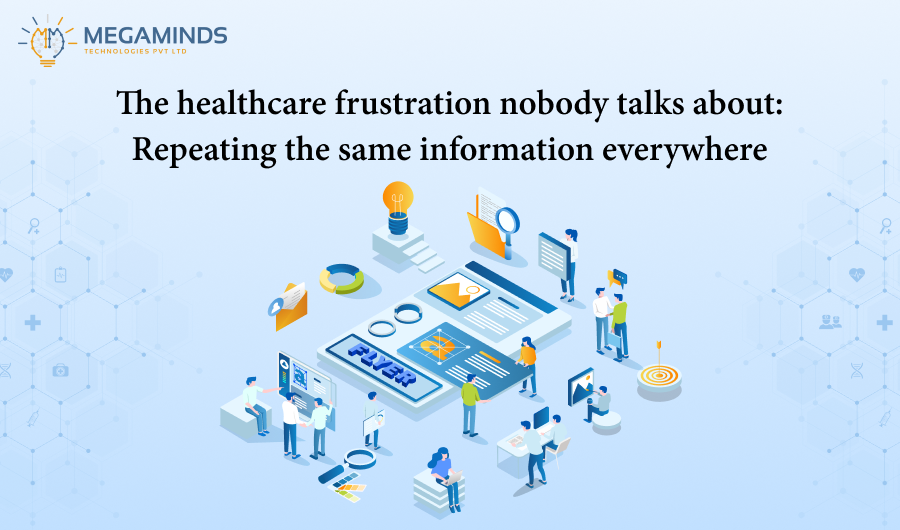
The Health Information Technology Act (HITECH Act), which was passed into law in 2009, brought about a revolution in the healthcare sector by pushing insurance companies, healthcare facilities, and providers to increase the accessibility of electronic information. In the past, electronic health records were utilized by fewer than 10% of hospitals.
The Centers for Disease Control and Prevention estimate that 90% of physicians currently utilize an electronic medical records system, illustrating how widely and swiftly HITECH has been adopted.
By digitizing medical records, healthcare providers can enhance their diagnostic abilities, expedite patient referrals to specialists, and increase the accuracy of their bills for services rendered. This article provides a summary of the advantages of medical record digitization for clinics and hospitals of all sizes.
It also examines key facets of digitalization in the healthcare sector that companies can leverage to increase the efficiency of medical record digitization and thereby boost employee productivity and patient satisfaction.
Medical record digitization is the process of transferring paper medical records into an electronic format for data management, archiving, and retrieval.
Digitizing medical records involves converting patient data into digital files. This makes it possible for clearinghouses, insurance companies, hospitals, and doctors to store and manage medical records online.
Healthcare providers can convert paper records into digital files in several ways. For example, they can use electronic intake forms, manually enter information from paper documents into database systems, or scan and image documents. As a result, healthcare organizations improve data accuracy, streamline record management, and enhance operational efficiency.
Digitization is part of the larger trend of digital transformation that the healthcare industry is currently experiencing.
Today, patients and healthcare providers increasingly rely on digital healthcare technologies to deliver and receive medical services. For example, they use electronic patient portals, telemedicine platforms, online appointment scheduling, and secure data-sharing systems. As a result, these technologies improve access to care, enhance communication, and streamline healthcare delivery.
Healthcare organizations that are digitizing their operations must keep in mind that electronic protected health information, or e-PHI, is subject to the same security and privacy regulations as its physical counterpart, protected health information (PHI), as established by the Health Insurance Portability and Accountability Act (HIPAA).
Healthcare institutions can digitize many medical records. These digital documents can be securely maintained in EHRs or HIPAA-compliant cloud storage.
A professional document scanner can digitize:

Enhancing access to healthcare services, especially in isolated or underprivileged places, is made possible via telemedicine integration, which is transformative.
The development of videoconferencing has enabled patients to conveniently get medical advice and guidance from healthcare specialists without the need for physical travel, thereby enhancing healthcare accessibility and lowering time spent on transportation.
Patient portals are empowering individuals by providing them with access to their medical records.
People can now actively engage in the decision-making process regarding their healthcare, which leads to better health outcomes and a greater understanding of the situation. This improved accessibility was recently acquired.
Cloud-based Electronic Health Record (EHR) systems have enabled modern data storage in the healthcare industry. The aforementioned characteristics encompass enhanced accessibility, robust data security, and scalability.
In addition to providing benefits to healthcare organizations, this cloud-based electronic health record ensures that patient data will be readily available when needed.
The current state of data security in the healthcare industry is significantly improved by the application of blockchain technology.
A level of data security that has never been achieved before is possible when you use blockchain technology or tamper-proof health records to give patients greater control over their data access. This is crucial for the healthcare industry.
Medical decision-making is aided by the data and recommendations from these sources, which improves patient care and treatment outcomes.
Tools for clinical decision support(CDS), can improve decision-making for healthcare professionals.
Regarding the integrity and validity of electronic health records, digital signature Integration is important.
Blockchain technology offers additional protection, protecting the integrity and authenticity of health records by preventing any unauthorized modifications or tampering.
The EHR Implementation systems must be a part of the digitalization process. To fully take advantage of digital health records, a seamless transition from paper to electronic documentation is essential.
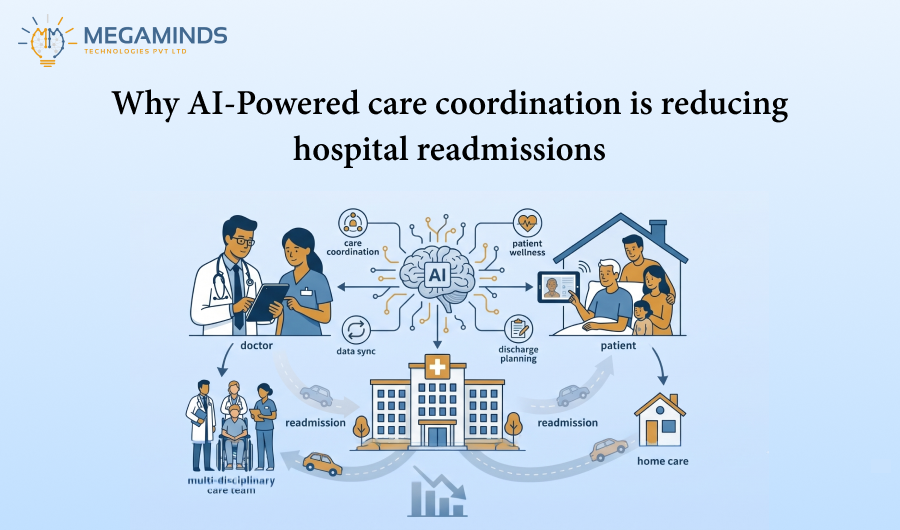
The seamless exchange of data between healthcare organizations improves care coordination and patient outcomes. Additionally, interoperability enables different healthcare systems to communicate and share information efficiently.
Smart devices and mobile apps collect health data that gives healthcare providers a more comprehensive view of an individual’s health. As a result, patients can take greater control of their health and make informed decisions. Additionally, healthcare providers can use patient-generated health data to deliver more personalized care and improve clinical outcomes.
Digitizing health data is transforming the healthcare industry. As a result, healthcare organizations improve operational efficiency, strengthen collaboration, and enhance patient care. However, organizations must understand key concepts such as interoperability, connectivity, and Electronic Health Record (EHR) systems to maximize these benefits. In addition, adopting the right digital health technologies helps providers streamline clinical workflows and improve data accessibility. Ultimately, digital health data enables better clinical decisions, improves patient outcomes, and creates a more connected, secure, and resilient healthcare system.
05 Oct 2026
21 Sep 2026
10 Sep 2026