Why Today’s Customers Expect Insurance...
12 Oct 2026

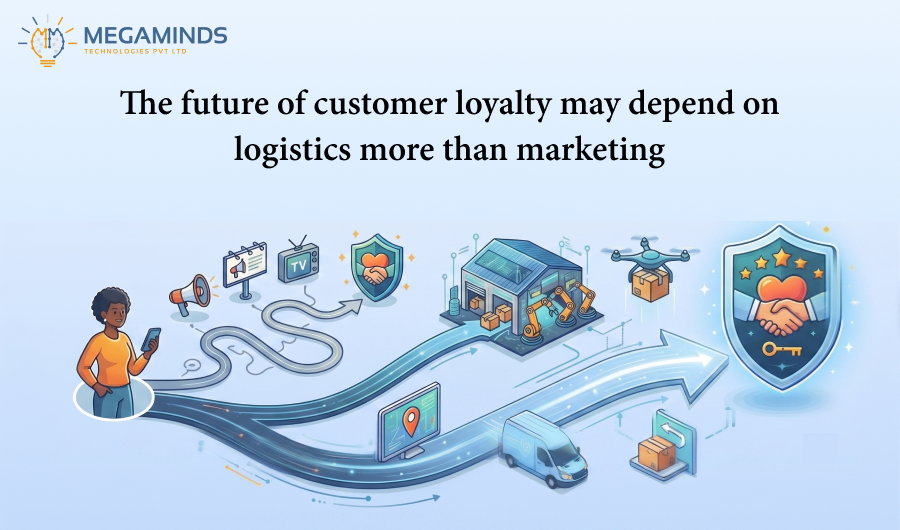
Customers used to only care about a product and a brand’s marketing, now they care about the logistics after they’ve placed their order. Was the order shipped on time? Could they track their package? How fast is the return process?
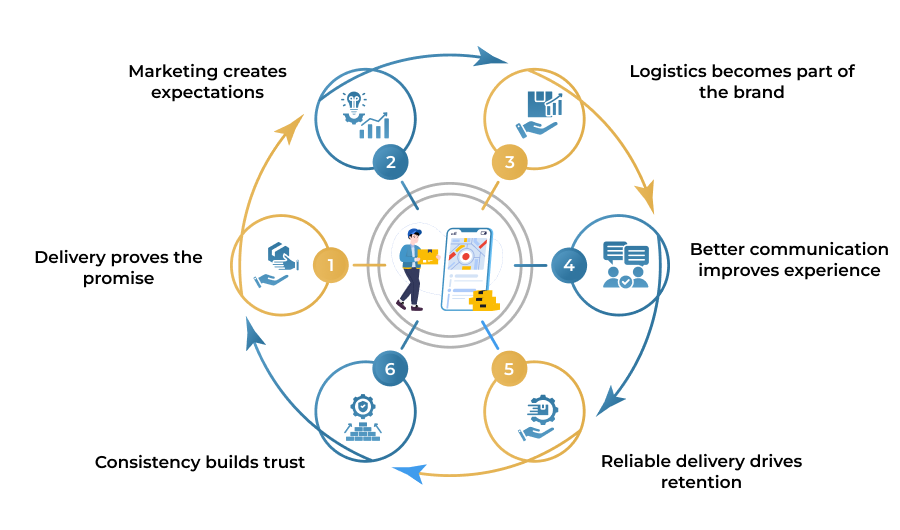
A great marketing campaign can bring customers in, but a great delivery experience can bring them back. That’s why logistics has a growing importance when talking about customer loyalty.
Marketing gets customers. Great delivery keeps them.
Marketing functions as a critical customer attraction element. However, other elements of the post-purchase process are gaining significance. Last-mile delivery is where many of these customer expectations are ultimately tested, from delivery speed and reliability to tracking and convenience. Customers expect brands to fulfill their end of the proposed experience.
The scale of the expectation gap is measurable. In DHL’s 2026 E-Commerce Trends Report, based on a survey of 29,000 shoppers across 29 countries, 92% of global shoppers said they prioritise fast, free delivery and easy returns when shopping online. In India specifically, that figure rises to 95%.
Today’s customer has become accustomed to higher standards. On top of fast delivery, customers prefer hassle free experiences that are also reliable and flexible. Consistently meeting these standards results in customer loyalty.
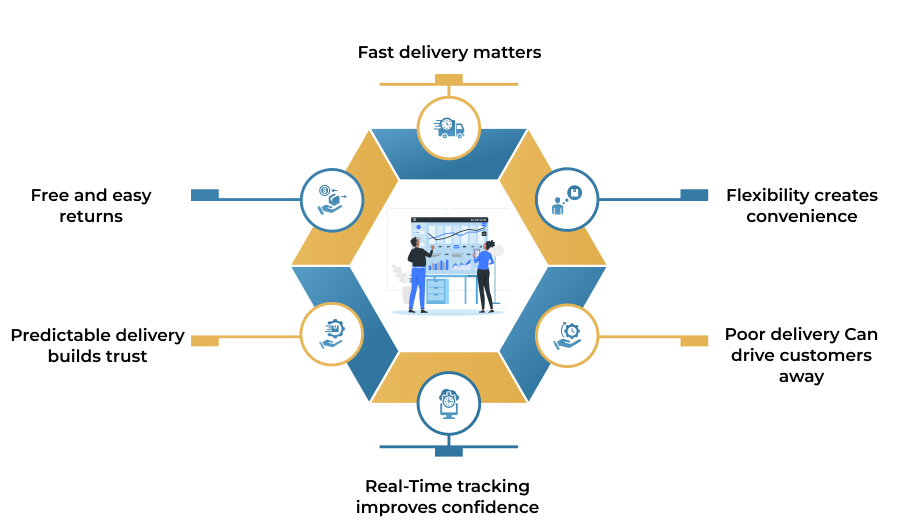
Logistics impacts trust which is a major factor in true customer loyalty.
The ability to view the status of a shipment helps customer and business alike to comply with a request for shipment status. Without that ability, customers have to call in to resolve basic query for themselves.
If there is a discrepancy between company reported status and what occurs, it doesn’t matter if the product is delivered, because the customer is always right, and the process was a frustrating experience.
Logistics rely on the promises logged by the checkout process.
The three elements work in harmony. A company may have excellent tracking technologies, yet, if they consistently fail to keep estimated delivery promises, visibility alone will not build trust.
The commercial consequence is direct: 76% of global shoppers say they will not buy from an online retailer if they do not trust the delivery or returns provider. In Europe that rises to 78%.
For companies and logistics partners, logistics visibility is not solely an operational metric. It has become a trust factor for customers.
Developments in digital commerce have raised customer satisfaction expectations for delivery speed.
According to DHL’s 2024 Delivery and Returns Report, 61% of global shoppers expect next day delivery without paying for it, meanwhile 41% said they only purchase from retailers with free returns.
Yet speed is not the only competitive factor.
An ever greater emphasis is placed on other factors such as predictability, flexibility, visibility, and finally, control. A reasonable delivery promise that is reliable is of greater value than a reckless promise that is repeated and broken.
This is quite important for retention. A customer is likely to leave a brand for good that is marked by repeated broken delivery promises, inaccurate tracking, and unpleasant returns.
Therefore, businesses are urged to measure the success of their logistics by other operational metrics such as:
When products, prices, and features start looking similar, customer experience becomes one of the strongest ways for a brand to stand out. Logistics is becoming a major part of that experience because customers directly feel the impact of delivery after making a purchase.
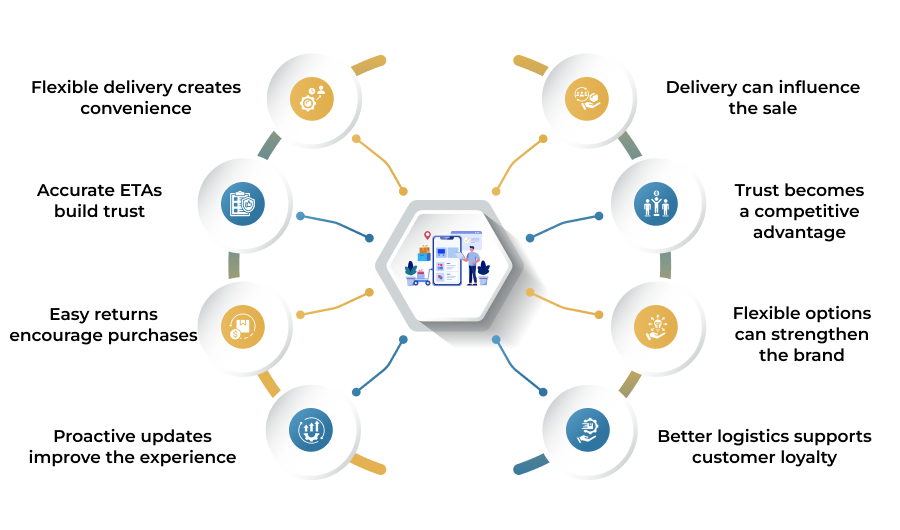
Why This Matters for Businesses
Logistics is no longer just about moving products from a warehouse to a customer. It can influence whether a customer completes a purchase, trusts the brand, returns for another order, and recommends the business to others.
Marketing may bring customers to your website. A great logistics experience can give them a reason to stay.
AI is helping businesses make logistics faster, smarter, and more predictable. By analyzing real-time data from orders, inventory, transportation, and customer demand, AI can predict delays, improve routes, and provide more accurate delivery updates.
It also helps businesses communicate with customers before problems become frustrating. Early alerts about delays or order changes can improve transparency and reduce support requests.
McKinsey reports that more than 85% of surveyed logistics companies said digital investments had added value, showing the growing impact of technology in logistics. McKinsey – Digital Logistics: Into the Express Lane?
AI doesn’t just automate logistics—it helps businesses create reliable experiences customers can trust.
If logistics aren’t on point, even the best of brands can lose customers. Customers quickly lose trust caused by late deliveries, faulty tracking, stock issues, or long and complicated return processes.
Customers become annoyed when businesses are only communicating when there is a problem, or if delivery options are limited.
Some of the issues become more severe because disconnected systems can lead to inaccurate inventory, warehouse, transportation, and customer service data.
Customer trust can be safeguarded if there is better real time visibility, accurate data, and proactive delivery processes. Customer trust is just as easily lost as it is gained.
A customer-centric supply chain integration simplifies the purchase and delivery processes creating positive customer brand experiences. Six simple aspects make this possible.
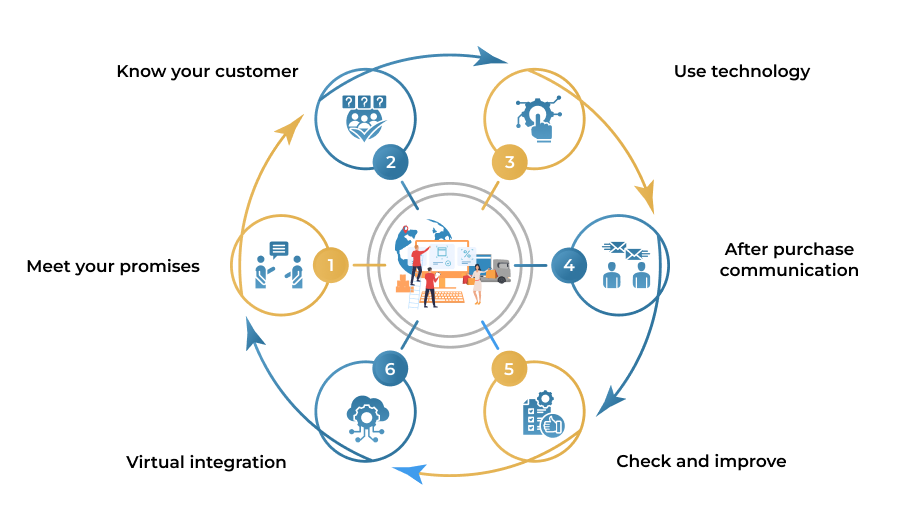
A customer-centric supply chain strengthens brand loyalty. It improves the customer experience while ensuring reliable product delivery.
Marketing campaigns, promotional plans, and loyalty programs pale in comparison to great customer experiences for building brand loyalty.
Let’s say you ordered something and received the package exactly when it was supposed to arrive and were able to track the package along the way. If returns could be that easy, customers would certainly appreciate your package delivery system. However, if delivery and returns are bad, customers can really turn around and hate your business even if everything else about your business is great.
Great customer delivery experiences should be the main focus of all business operations. A data-centric, system-based, customer-experience focused one-go delivery system can ensure each and every delivery is an excellent delivery.
Great experiences build loyalty. Bad experiences create resentment and can cause customers to abandon a brand.
12 Oct 2026

08 Oct 2026
05 Oct 2026