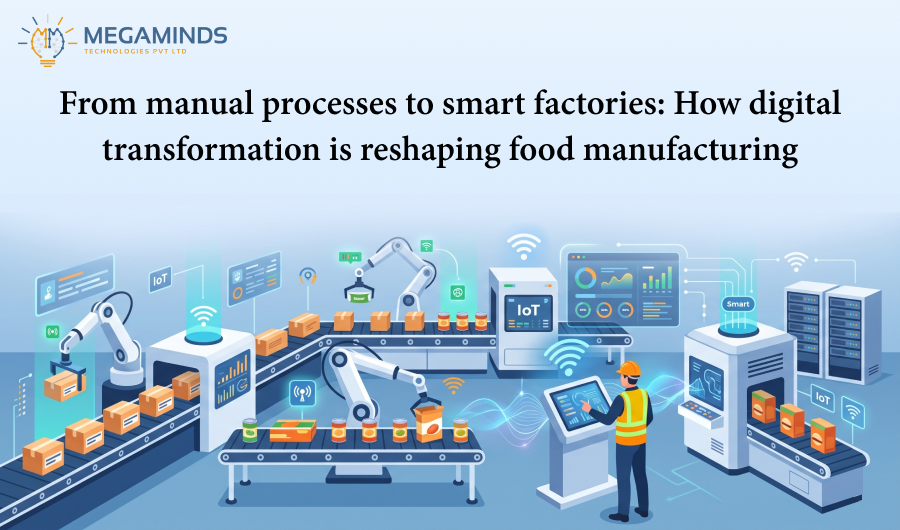
From Manual Processes to Smart...
22 Oct 2026


The unprecedented challenges in resource management are now facing healthcare organizations today while being able to give quality patient care. Microsoft PowerApps huge change in how healthcare providers handle anything from inventory management to staff scheduling. By using this powerful low-code platform, healthcare facilities are improved dramatically in operational efficiency and cost reduction, in addition to patient outcomes. The hospital resource management Market Size was valued at USD 120 Billion in 2023 and is expected to reach USD 206 Billion by 2031, growing at a 7% CAGR from 2024 to 2031.
In health facilities, thousands of items like medical supplies and equipment are usually available across the various facilities. Inventory management in traditional healthcare systems is often inefficient. As a result, organizations experience higher inventory costs and increased material waste. During emergencies, supply shortages can become critical. Many healthcare organizations still rely on paper-based inventory management and requisition processes. These manual methods delay information, reduce accuracy, and ultimately affect patient care.
It remains a constant challenge for staff schedules to be optimized in such a way that ensures coverage while at the same time controlling labor cost. Administrative burdens caused by these processes take time away from other more important patient care activities. Another effect of poor staff allocation is that some departments over staff and experience shortfalls in others, leading to a lopsided quality in care and incurring of unnecessary costs through overtime.
Most healthcare institutions have data that are segregated in different systems. They therefore find it difficult to give complete patient information whenever needed for providers regarding them. The frontline health workers mainly use different channels to communicate, of which the internal or external organizations may have some information that is either printed or in a system that some team members cannot access.
The regulations have changed. There are things like HIPAA and GDPR that state how health care organizations must store their data and keep it secure. This puts many constraints or demands on them. Legacy systems do not have the right security features, creating a compliance risk and liability. In this sense, it becomes imperative that all healthcare providers have solutions that can automatically enforce security policies while allowing easy accessibility for the authorized personnel.
Healthcare bodies can build applications without much coding knowledge through a simple drag-and-drop interface provided by PowerApps. That democratized app-building reduces dependency on IT and speeds up solution deployment; even the low technical familiarity staff can now engage themselves in the application design and ensure that it meets real world-clinical and operational requirements.
The greatest strength of PowerApps is its ability to connect seamlessly to Office 365 workloads and other Microsoft services like Outlook, Tasks, and Calendar. It is this integration that creates that one-stop unification system for healthcare operations that does away with data silos and better information flow across departments. Besides those functionalities, PowerApps can also be mounted to electronic health record systems and other health platforms through standard connectors.
Common Data Services (CDS) of Microsoft allow health practitioners to access and consolidate patient data from different sources, clinical and administrative systems. This all-encompassing view of possible data allows better decision-making without necessitating the provider to open many systems to find appropriate information. The CDS maintains relationships and integrity among data across applications for consistency and reliability.
Accessible information to the healthcare professionals, no matter where they are in a facility or when providing care remotely. Naturally adaptable to the realities of mobile access, PowerApps solutions allow employees to connect with critical data and perform necessary activities with smartphones and tablets. One mobility is particularly appreciated by clinicians, who often find themselves moving around patient rooms, departments, and even facilities throughout their workday.

Medical facilities can develop inventory management applications that have the functionality to track supply levels in real-time and generate automated purchase orders whenever stocks are below threshold levels, while monitoring equipment usage patterns. This included barcoding facilities for easy update and alerting for pre-expired medicines.
PowerApps could be used to develop schedule-generating applications to optimize staff allocation on patient census, skills of staff members, and historical trends. This application considered staff preferences, certification requirements, and regulations regarding hours of work.
PowerApps applications are created by healthcare providers to track bed availability, patient movement, and discharge planning. The application provided real-time bed status visualization across departments and prompted crews on discharge planning tasks at appropriate intervals.
Power Apps provide secure communication applications for healthcare staff to collaborate efficiently. The application included secure messaging, alerts for critical notifications, and attaching relevant clinical data to the communication.
Healthcare agencies implement PowerApps interlinked with wearables to monitor patients with chronic disease conditions. The application collected data from patient devices, used alert algorithms, and notified care teams when parameters crossed thresholds set for safety.
Healthcare organizations typically see a 30-40 reduction in application development cost compared with traditional custom development. On top of the development savings, the operational enhancement from PowerApps solutions generates a continuing stream of financial benefits.
PowerApps solutions can be developed and deployed in weeks rather than months, accelerating time-to-value for healthcare organizations. This rapid deployment capability is particularly valuable during crises or when regulatory changes require quick operational adjustments. Healthcare providers can quickly modify applications to address emerging needs without extensive redevelopment efforts.
PowerApps connects various data sources to provide healthcare professionals with comprehensive real-time information. This improved data accessibility is critical for clinical and operational decision-making, thus improving patient outcomes and resource utilization. Providers report that, empowered by PowerApps dashboards and analytics, they are making better-informed decisions regarding resource allocation, treatment regimens, and organizational priorities.
Another important benefit of PowerApps is automatic integration with Microsoft’s Active Directory Domain Service (ADDS), which controls authenticate and authorize the users and enforces security policies. This seamless integration helps health organizations comply with security undertakings at HIPAA and GDPR levels without compromising usability. Access controls can be configured at a granular level, thereby controlling access to data at the level of roles, departments, or individual permissions, and ensuring that data is available only to proper personnel.
PowerApps has been seen to automate, cut down on scheduled tasks, and save healthcare professionals some manual process time. This is more time and effort for clinical staff to perform direct patient care work rather than routine administrative work. To this end, automated workflows can save a great deal of manual effort in tasks such as supply ordering, appointment scheduling, and documentation, thus shortening the workload and reducing risk errors.

Integration of PowerApps with Microsoft’s AI will make PowerApps predictive for modeling patient admissions, staff needs, and inventory requirements. These predictions will give healthcare organizations an early warning to proactively make adjustments-for example, rather than waiting for a crisis to manage staffing or inventory, they will have the ability to manage these resources earlier.
It will connect more PowerApps to medical devices and sensors bringing forth a complete monitoring system for optimal resource allocation based on real time data. This makes it possible for automatic updates of inventories as supplies are consumed, schedules equipment maintenance based on usage patterns and environmental monitoring to keep conditions at optimum for patient care and storage of supplies.
New PowerApps development will have a great deal to offer future benefits, particularly in relation to cross-system linking and the ability to integrate into a number of healthcare systems, FHIR, and other interoperability standards for healthcare. Truly connected operational environments can eliminate the few remaining data silos and provide comprehensive visibility across the healthcare ecosystem. Such powerful interoperability can allow seamless flow of information across clinical, administrative, and financial silos.
More complex analytics on resources consumption against outcomes will be provided by power apps. This will lead to the transition from the traditional methods to value-based care models that include identifying the most cost-effective interventions and how resources have been allocated. Changes in the day-to-day operations will enable healthcare providers to quantify the effects both clinically and financially.
The assessment and strategic planning phase covers a thorough study of the present processes of resource management, eliminating inefficiencies and identifying priority areas for improvement. This critical stage will ensure that the PowerApps solutions generate maximum return for opportunities that can operate efficiency enhancement.
Develop PowerApps applications based on organizational-specific needs while eliciting input from end users to ensure pragmatic functionality. Each solution adopts industry best practices while accommodating unique operational requirements.
The implementation team will hook the PowerApps solutions with existing healthcare systems, including EHRs, inventory management, and scheduling. Then, the deployment process will include extensive testing in the real workplace environment to ensure works relevant to their functionality and performance.
Staff members of your healthcare organization will receive extensive training demonstrating the benefits of PowerApps solutions toward their acceptance. The leadership team will devise a strategy to minimize resistance against change and ensure enthusiastic embrace of new capabilities.
PowerApps represents a transformative opportunity for healthcare organizations to optimize resource management while improving patient care. By addressing key challenges in inventory management, staff scheduling, and communication, PowerApps solutions deliver measurable improvements in operational efficiency and clinical effectiveness. Contact us today to combine technical expertise with healthcare industry knowledge to implement PowerApps solutions that drive meaningful outcomes for your organization.
05 Oct 2026
21 Sep 2026
10 Sep 2026